Dishwashers are great right up until they stop mid-cycle and flash a cryptic code that looks more like a math problem than a helpful message.
These issues pop up across many modern dishwashers, especially as machines add more sensors and safety shutoffs.
I’ve dealt with my fair share of dishwasher hiccups over the years, and error codes are one of the most confusing parts for most people. The good news is that these codes usually point to a specific problem. The better news is that many of them don’t require a service call.
Below are the seven dishwasher error codes I see most often across popular brands like Bosch, Whirlpool, Samsung, LG, and GE. The exact wording can vary by model, but the underlying issue is usually the same.
What Dishwasher Error Codes Actually Mean
Most people assume an error code means something is broken. That’s not always true.
In many cases, the dishwasher is doing exactly what it’s supposed to do. It’s detecting a problem and stopping before something worse happens, like flooding your kitchen or overheating a component.
Think of error codes as your dishwasher’s way of saying, “Hey, something’s off. Let’s fix this before continuing.”
Error Code 1: Water Not Draining
This is one of the most common dishwasher error messages, and thankfully, one of the most fixable.
When a dishwasher can’t drain properly, it usually means water is still sitting in the bottom of the tub when the cycle ends. The machine detects this and throws an error.
The usual culprits are pretty simple. A clogged filter is the big one. Food particles, grease, and soap residue can build up faster than most people realize. I’ve pulled out filters that looked clean at a glance but were completely blocked underneath.
A kinked or clogged drain hose can also cause this error. If the hose is pinched behind the dishwasher or blocked with debris, water has nowhere to go.
In some cases, it’s the drain pump itself. That’s less common, but if you hear humming without drainage, it’s worth checking.
Error Code 2: Water Not Filling Properly
If your dishwasher starts a cycle and then stops early with a fill-related error, it’s telling you it can’t get enough water.
This often traces back to the water supply valve under the sink. I’ve seen plenty of cases where it was only partially open after plumbing work.
Another common issue is the inlet valve filter. Hard water and sediment can clog this tiny screen over time, slowing water flow enough to trigger an error.
Low household water pressure can also cause this code, especially if multiple appliances are running at once.
Before assuming something is broken, make sure the valve is fully open and the inlet hose isn’t kinked.
Error Code 3: Heating Element or Water Not Heating
Dishwashers rely on hot water to clean and dry effectively. When the water isn’t heating as expected, the machine will usually stop and display an error.
If your dishes are coming out cold or wet along with this error, it may also point to broader dishwasher drying problems tied to heating or sensor issues.
This can happen if the heating element is faulty, but it’s not always the element itself. Temperature sensors, wiring connections, or even your home’s hot water supply can be part of the problem.
I’ve seen this error pop up after people switched to eco cycles and thought something was wrong because the water didn’t feel hot right away. Eco modes heat water more slowly, which can confuse older models.
If dishes come out cold and wet consistently, though, this error deserves attention.
Error Code 4: Door Not Latching or Closing Properly
This one surprises a lot of people because the dishwasher door looks closed, but the machine disagrees.
Dishwashers are designed not to run unless the door latch is fully engaged. If it isn’t, the control board throws an error and shuts things down.
Sometimes it’s as simple as a dish or utensil blocking the door. I’ve caused this myself more than once with oversized cutting boards.
Worn latches are another common cause, especially on older machines. If you have to push harder than usual to get the door to click, that’s a sign.
In rare cases, the door switch itself fails, but checking for obstructions should always be the first step.
Error Code 5: Water Overflow or Leak Detected
This is one error code you should never ignore.
When a dishwasher detects water where it shouldn’t be, it’s trying to prevent flooding. Many models have a float switch or leak sensor in the base that triggers this warning.
Sometimes the cause is simple, like too much detergent or the wrong type of soap. I’ve seen regular dish soap cause instant overflow errors.
A stuck float switch can also trigger this code even when there’s no visible leak. Cleaning around the float often solves it.
If the error keeps returning, though, there could be a hose or seal leaking underneath, which is when professional service makes sense.
Error Code 6: Motor or Pump Problem
When the dishwasher can’t circulate water properly, it will usually stop the cycle and show a motor or pump-related error.
You might notice unusual noises, weak spray action, or dishes coming out dirty even when the cycle completes.
Food debris is often to blame. Small bones, seeds, or broken glass can jam the pump and prevent it from spinning freely.
In my experience, cleaning the filter and checking the pump area fixes this more often than people expect. Actual motor failure does happen, but it’s not the first place I’d look.
Error Code 7: Sensor or Control Board Error
This is the catch-all category that tends to frustrate people the most.
Sensor errors can involve temperature sensors, turbidity sensors that measure water cleanliness, or even moisture sensors used for drying cycles.
Sometimes the issue is temporary and caused by a power glitch. A full reset by turning off power to the dishwasher for five to ten minutes can clear it.
If the code returns consistently, it may point to a failing sensor or control board. Those repairs are more technical and often more expensive, so it’s worth checking your warranty status at that point.
When an Error Code Is Safe to Fix Yourself
Many dishwasher error codes are more about maintenance than mechanical failure.
Cleaning filters, checking hoses, resetting power, and removing obstructions solve a large percentage of issues. If the dishwasher fills, drains, and runs quietly after you clear the code, you’re probably fine.
I always recommend starting with the simplest possible fix before assuming the worst.
When It’s Time to Call for Service
If an error code involves electrical components, repeated leaks, or returns immediately after resets and cleaning, it’s usually time for professional help.
Error codes are helpful, but they’re still limited. A technician can test components that aren’t visible or accessible to most homeowners.
Ignoring serious codes can sometimes turn a small repair into a much bigger one.
When Replacing the Dishwasher Makes More Sense
Sometimes, an error code isn’t just a one-off problem. If the same code keeps coming back, repairs are getting expensive, or your dishwasher is already 8–10 years old, replacement can honestly be the more practical move.
I’ve seen people pour money into repeated service calls when that same budget could’ve gone toward a quieter, more efficient machine that just works. Newer dishwashers also tend to handle sensors, drainage, and heating issues better than older models that are more prone to throwing error codes.
If you’re dealing with constant shutdowns, leak warnings, or control board errors, it may be a sign that the dishwasher is reaching the end of its useful life rather than needing another fix.
A dependable two-door compact fridge with a real freezer, adjustable glass shelves, and solid temperature control that works well in dorms, offices, and small bedrooms.
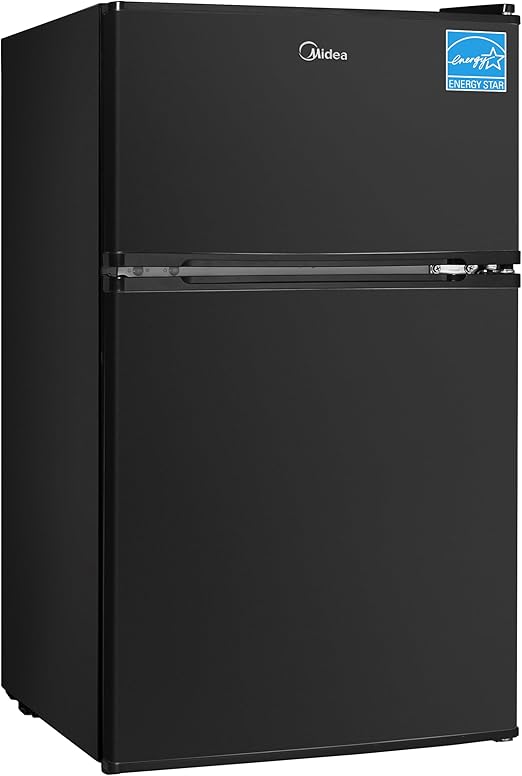
If you decide replacement makes sense, sticking with a reliable, well-reviewed model can save a lot of frustration down the road.
A Quick Tip to Prevent Future Error Codes
Most dishwasher problems start with buildup.
Rinse out the filter once a week, use the right detergent, and run a cleaning cycle with a dishwasher cleaner every month or two. These small habits go a long way toward keeping error codes from popping up in the first place.
Dishwasher error codes can feel intimidating, but once you understand what they’re trying to tell you, they’re actually pretty helpful. In many cases, your dishwasher is giving you a heads-up long before anything truly breaks.
No comment