
I’ve been using high-powered blenders for a long time now, and the Vitamix 5200 is one of those products that just keeps coming up in conversations, forums, and kitchens. It’s not new, it’s not flashy, and it definitely isn’t cheap. Yet years after its release, people are still buying it and recommending it with surprising confidence.
That made me want to step back and look at it from a long-term perspective. Not a first-week impression or a quick smoothie test, but how it actually holds up after years of daily use. Does it still make sense to buy a Vitamix 5200 today, especially with newer models on the market?
This review is based on extended real-world use, common owner feedback, and how it stacks up against modern expectations rather than trends.
A powerful, classic Vitamix blender built for silky smoothies, hot soups, nut butters, and large-batch blending. Known for durability, strong performance, and that signature tall 64 ounce container.
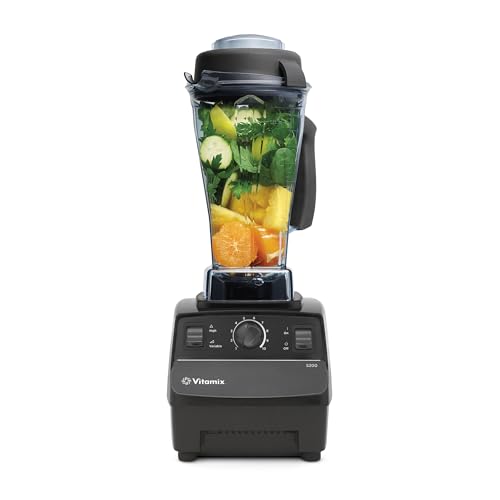
What the Vitamix 5200 Is (and Isn’t)
The Vitamix 5200 is a classic full-size countertop blender designed for power, durability, and consistency rather than convenience features. It uses a 2-horsepower motor and a tall 64-ounce container that’s been around in one form or another for decades. You won’t find presets, digital screens, or app connectivity here. Everything is controlled manually with a simple dial and two switches.
That simplicity is intentional. The 5200 was built to do one thing extremely well: blend just about anything smoothly and reliably. It’s the model that helped build Vitamix’s reputation in professional kitchens and serious home setups. If you’re expecting something sleek or compact, this probably isn’t your blender. If you care more about results than bells and whistles, it starts to make a lot more sense.
Build Quality After Years of Use
One of the biggest reasons people keep the Vitamix 5200 for so long is how solid it feels even after years on the counter. The base is heavy, the switches have a reassuring click, and nothing feels flimsy or disposable. I’ve seen units that are well over a decade old still running daily smoothies without issue.
The container is thick, sturdy, and designed to handle both cold and hot ingredients without stress. It does scratch over time, especially if you blend grains or thick mixtures often, but that’s cosmetic rather than structural. The motor base tends to be the real standout. It doesn’t lose power gradually or start struggling with tougher blends the way many cheaper blenders do after a year or two.
In my experience, this is one of those appliances where you can actually feel where the money went.
Blending Performance in Real Life
This is where the Vitamix 5200 still shines, even by today’s standards. It handles smoothies, nut butters, frozen fruit, soups, and ice with ease. The variable speed control lets you start slow and ramp up, which helps create that classic Vitamix vortex that pulls ingredients down toward the blades.
What most people don’t realize is how much control you get once you get used to it. You can make chunky salsas, thick hummus, or ultra-smooth purées without relying on presets. It does take a little practice, but once you understand how the speed dial affects texture, it’s incredibly versatile.
Compared to many modern blenders with pre-programmed settings, the 5200 often produces smoother results because you’re actively adjusting as it blends instead of letting software decide when it’s “done.”
Hot Soups and Heat From Friction
One of the more unique features of the Vitamix 5200 is its ability to heat soup using blade friction alone. This isn’t a gimmick. With enough speed and time, it genuinely brings blended ingredients up to steaming-hot temperatures.
I’ve made tomato soup, blended vegetable soups, and even hot sauces directly in the container without turning on a stove. It’s not something everyone uses daily, but it’s incredibly convenient when you want a quick, smooth soup with minimal cleanup. It’s also a good indicator of how powerful the motor really is.
This feature still sets Vitamix apart from many competitors, even now.
Noise Level and Kitchen Reality
Let’s be honest: the Vitamix 5200 is loud. It’s not painfully loud, but it’s definitely not something you’ll use quietly early in the morning if others are sleeping nearby. That’s the tradeoff for raw power and airflow around the motor.
Over time, most owners simply accept this as part of the experience. The blending usually only takes 30 to 60 seconds, so it’s short-lived. In exchange, you get consistent results without stalling or overheating. Newer models with sound-dampening exist, but they also cost significantly more.
If noise is a deal-breaker for you, this is something to think about carefully before buying.
Cleaning and Daily Maintenance
Cleaning the Vitamix 5200 is refreshingly simple. Most of the time, a drop of dish soap and warm water blended for 30 seconds is enough to get the container clean. Because the blades aren’t removable, there’s no fiddling with seals or extra parts.
Over the long term, this ease of cleaning matters more than you might expect. It encourages regular use rather than letting the blender sit unused because cleanup feels like a chore. The container does eventually show wear, but replacements are widely available and easy to swap in.
The motor base itself requires virtually no maintenance beyond keeping it dry and dust-free.
How It Compares to Newer Vitamix Models
A common question is whether it’s better to buy the 5200 or one of the newer Vitamix models with digital controls. From a pure performance standpoint, the difference is smaller than most people expect. Many newer models use similar motors and blade designs.
What you’re really paying for with newer models is convenience. Presets, shorter containers that fit under cabinets, quieter operation, and sleeker aesthetics. If those things matter a lot to you, the 5200 may feel dated. If you care more about longevity and control, it still holds its own.
I’ve found that people who enjoy hands-on cooking often prefer the older manual style, while those who want push-button simplicity gravitate toward newer lines.
Who the Vitamix 5200 Is Best For
The Vitamix 5200 is best suited for people who blend often and value durability over modern features. If you make smoothies daily, cook from scratch, or experiment with sauces, soups, and nut butters, it’s a reliable workhorse.
It’s also a good fit for households that don’t want to replace appliances every few years. The long warranty and proven track record make it feel more like a long-term investment than a trendy gadget. That said, it does take up vertical space, and the tall container won’t fit under some cabinets without moving it.
If you want something compact, quiet, or tech-forward, this probably isn’t your ideal blender.
Common Complaints From Long-Term Owners
Even loyal Vitamix 5200 owners have a few recurring complaints. The tall container design is the most common, especially in kitchens with low cabinets. Some people also wish the lid were easier to remove, particularly when pressure builds up during hot blending.
Another frequent comment is the lack of presets, which can feel limiting if you’re used to newer appliances doing the thinking for you. None of these issues affect performance, but they do influence daily convenience.
What’s notable is how rarely complaints involve the motor or blending ability itself.
Is the Vitamix 5200 Still Worth It Today?
After years on the market, the Vitamix 5200 still earns its reputation. It’s not the most advanced blender available, but it remains one of the most dependable. In a world where many appliances are designed to be replaced, this one is built to last.
If you value performance, durability, and hands-on control, it’s absolutely still worth considering. The price makes more sense when you think in terms of years rather than features. You’re buying something that can realistically stay in your kitchen for a decade or more.
For the right person, the Vitamix 5200 doesn’t feel outdated. It feels proven.
No comment