
Making bread at home can feel like a daunting task, but with the right tools, it becomes a rewarding and enjoyable experience. Two popular choices for kneading dough are bread makers and stand mixers. If you’re wondering which one to invest in, you’re not alone. I’ve spent quite a bit of time experimenting with both, and I want to share my insights to help you make an informed decision.
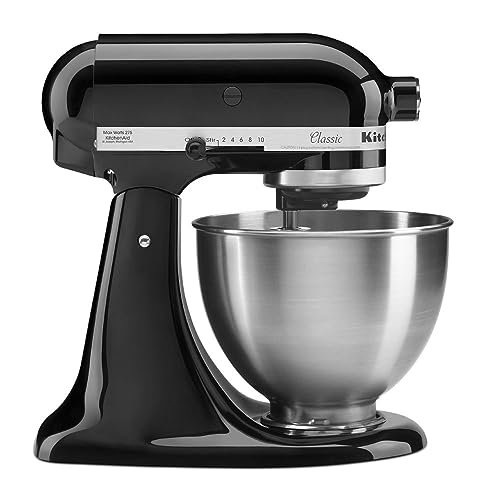
In this article, we’ll dive into the features, pros, and cons of the Cuisinart Stainless Steel Bread Maker Machine and the KitchenAid Classic 4.5 Quart Tilt-Head Stand Mixer. By the end, you should have a clearer picture of which tool suits your bread-making needs best.

|
|
|
|
|
Understanding Bread Makers
Bread makers are designed specifically for one purpose: to create bread with minimal effort from you. The Cuisinart Stainless Steel Bread Maker is a perfect example of this. It combines all the necessary functions in one compact machine. You simply add your ingredients, select the desired settings, and let the machine do the work.
One of the standout features of a bread maker is its ability to automatically knead, rise, and bake the dough. This is particularly beneficial for beginners or those who prefer a hands-off approach. The Cuisinart model also offers various settings for different types of bread, including gluten-free options, which is a bonus if you have dietary restrictions.
However, it’s worth noting that while bread makers simplify the process, they can limit your creativity. You won’t be able to adjust the dough’s texture mid-knead or incorporate additional ingredients like nuts or fruits during the mixing phase. If you’re looking for a quick and easy way to make bread, though, this could be the perfect fit.
Exploring Stand Mixers
On the other hand, stand mixers like the KitchenAid Classic 4.5 Quart Tilt-Head Stand Mixer offer a different approach to bread making. This versatile kitchen appliance can handle a variety of tasks beyond just dough kneading. I’ve used my KitchenAid for everything from whipping cream to mixing cookie batter, making it a multi-functional addition to my kitchen.
When it comes to bread, the KitchenAid mixer shines with its powerful motor and various attachments. The dough hook does a fantastic job of kneading, producing a well-mixed and elastic dough. One of the significant advantages of using a stand mixer is the level of control it gives you. You can easily adjust the mixing speed, add ingredients gradually, and monitor the dough’s consistency throughout the process.
Another perk is that you can make larger batches of dough, which is great for families or those who like to meal prep. However, keep in mind that stand mixers require more hands-on involvement, including the need to check on the dough as it kneads and to allow for proper rising time.
Comparing Performance
When it comes to performance, both machines have their strengths. The Cuisinart bread maker excels in simplicity and convenience. You can set it and forget it, making it ideal for busy individuals or those who want to enjoy freshly baked bread without much effort. The machine handles everything from measuring to baking, ensuring consistent results every time.
Conversely, the KitchenAid stand mixer offers a more hands-on experience. While it requires more active participation, it allows for more customization and experimentation. I’ve found that I can achieve different textures and flavors by adjusting the kneading time and adding ingredients at my own pace. This can be particularly rewarding if you enjoy crafting your recipes.
In terms of cleanup, the bread maker generally has fewer parts to wash. With the stand mixer, you’ll need to clean the bowl, dough hook, and any other attachments you use. This can add to the time it takes to enjoy your freshly baked bread, but for many, the versatility of the stand mixer outweighs this consideration.
Pros and Cons
Let’s break down the pros and cons of each option to help you weigh your choices more clearly.
Cuisinart Stainless Steel Bread Maker Machine
Pros:
- Fully automatic operation makes bread making easy.
- Various settings for different types of bread.
- Compact design takes up less counter space.
Cons:
- Limited customization options.
- Typically smaller batch sizes.
- May not produce the same artisanal texture as hand-kneaded dough.
KitchenAid Classic 4.5 Quart Tilt-Head Stand Mixer
Pros:
- Multi-functional, suitable for various cooking tasks.
- Allows for greater control over dough consistency.
- Can handle larger batches, perfect for families.
Cons:
- Requires more hands-on effort.
- Cleanup can be more time-consuming.
- Higher initial investment for a stand mixer compared to some bread makers.
Who Should Choose Which?
Choosing between a bread maker and a stand mixer largely depends on your baking style and needs. If you’re a busy individual or someone who values convenience, the Cuisinart bread maker is an excellent choice. It allows you to enjoy homemade bread without much fuss, making it perfect for beginners or those who want quick results.
On the other hand, if you love cooking and want a versatile kitchen appliance that can handle a variety of tasks, the KitchenAid stand mixer is the better option. It offers more flexibility and control, allowing you to experiment with different bread recipes and techniques.
Conclusion
Both the Cuisinart Stainless Steel Bread Maker Machine and the KitchenAid Classic 4.5 Quart Tilt-Head Stand Mixer have their unique advantages. If you prioritize convenience and ease of use, the bread maker is likely the way to go. However, if you enjoy the process of cooking and want a machine that can do much more than just make bread, the stand mixer will serve you well.
In my experience, the decision comes down to how you plan to use the machine. For casual bakers, the bread maker is a fantastic tool. For those who see bread making as part of their culinary journey, the stand mixer offers endless possibilities.
|
|
|
|
|
|
Frequently Asked Questions
Can I use the bread maker for other dough types, like pizza or pasta?
Yes, many bread makers can handle different types of dough, including pizza and pasta. Just make sure to check the instructions for your specific model.
How long does it take to bake bread in a bread maker?
Typically, a bread maker can bake a loaf of bread in about 3 to 4 hours, depending on the selected program and bread type.
Is a stand mixer worth the investment for occasional bakers?
If you enjoy baking beyond just bread, a stand mixer can be a great investment. Its versatility allows you to tackle a range of recipes, making it more than just a one-trick pony.
What is the capacity of the Cuisinart bread maker?
The Cuisinart bread maker generally has a capacity to bake a 1-pound to 2-pound loaf, making it suitable for small to medium-sized families.
Do I need to knead the dough manually if I use a stand mixer?
No, the stand mixer’s dough hook will knead the dough for you. However, you may want to check the consistency occasionally and adjust as needed.
No comment