The best meal prep ideas, organized by meal type
Meal prep works best when you treat it as a consistency tool, not a rigid weekly obligation. The goal is simple: combine protein, fiber-rich foods, and healthy fats into balanced, repeatable meals you can grab without thinking. Here are the ideas that actually hold up through a full week.
Breakfasts
- Overnight oats with chia seeds, almond butter, and frozen berries (vegan, gluten-free)
- Egg muffins baked with spinach, feta, and diced peppers, portioned into a 12-cup muffin tin
- Greek yogurt parfait layers built in mason jars with granola and sliced fruit
- Smoothie packs: pre-portioned frozen fruit, spinach, and protein powder in zip-lock bags, ready to blend
Lunches and bowls
- Grain bowls built on a base of cooked farro, quinoa, or brown rice, topped with roasted chickpeas, cucumber, and tahini dressing (vegan)
- Mason jar salads layered with dressing at the bottom, sturdy greens in the middle, and proteins on top to stay crisp for 3–4 days
- Turkey and avocado lettuce wraps prepped with sliced turkey, shredded carrots, and hummus
- Lentil soup portioned into individual meal prep containers for grab-and-go lunches (vegan, gluten-free)
Dinners
- Sheet pan chicken thighs with sweet potatoes and broccoli, seasoned with olive oil and smoked paprika
- Ground turkey taco bowls with cauliflower rice, black beans, salsa, and lime (gluten-free)
- Baked salmon with asparagus and lemon, portioned into four servings after cooking
- Vegetarian chili with kidney beans, diced tomatoes, corn, and bell peppers, freezer-friendly in quart containers
Snacks
- Hard-boiled eggs stored in the shell for up to 3–4 days in the refrigerator
- Sliced vegetables (carrots, celery, bell peppers) with individual hummus cups
- Energy balls made from oats, peanut butter, honey, and dark chocolate chips (no bake, gluten-free adaptable)
- Apple slices with almond butter portioned in small airtight containers
Each of these ideas follows the balanced meal formula Harvard nutrition experts recommend: a protein source, a fiber-rich carbohydrate, and a healthy fat in every meal. That combination keeps you full longer and makes it easier to skip the drive-through on a Tuesday night.
How to keep your meal prep budget under control
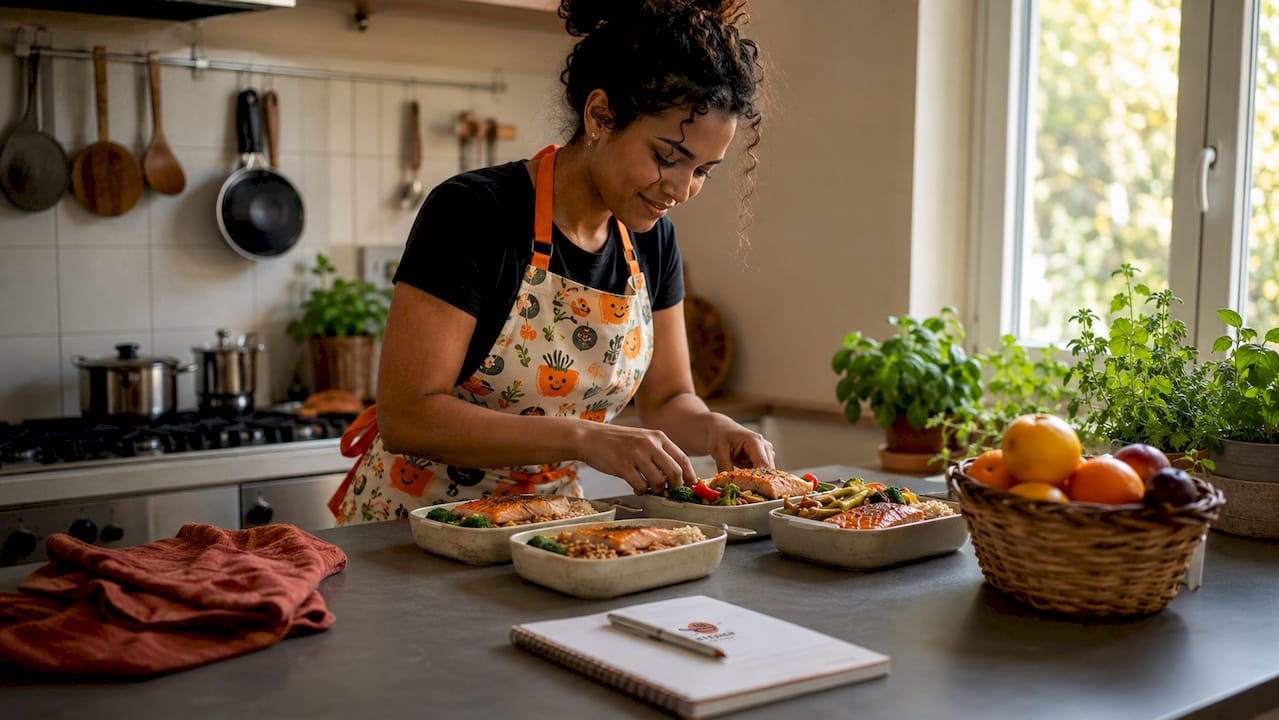
Budget meal prep is less about buying cheap food and more about buying the right food twice. The real savings come from choosing ingredients that work across multiple meals during the week.
High-value staples to build around
- Dried or canned lentils and beans: among the cheapest protein sources per serving, and they work in soups, bowls, tacos, and salads
- Frozen vegetables: nutritionally comparable to fresh, often cheaper, and they eliminate spoilage waste
- Whole grains in bulk (brown rice, oats, quinoa): cook a large batch once and use it across four or five different meals
- Bone-in chicken thighs: cheaper per pound than boneless breasts, and they stay moist after reheating
- Eggs: one of the most versatile and affordable proteins available
Practical strategies
- Shop with a written list built around two or three “anchor proteins” for the week, then fill in vegetables and grains around them
- Buy seasonal produce, which costs less and tastes better than out-of-season imports
- Repurpose leftovers deliberately: roasted chicken becomes grain bowl topping, taco filling, and soup protein across three days
- Use the budget meals guide from Kitchendevotion to find affordable ingredient combinations that still deliver on nutrition
On containers: you do not need to spend a lot. Glass containers with snap-lock lids last for years and go from freezer to microwave without cracking. A set of four to six uniform-size containers covers most weekly prep needs and stacks cleanly in the refrigerator. For a full breakdown of what to look for, the meal prep kitchen tools guide at PriceLows covers container materials, sizes, and what holds up over time.
Pro Tip: Cook a double batch of grains every prep session. The second batch costs almost nothing extra in time or energy, and it gives you a ready base for a completely different set of meals later in the week.
What you need to know about meal prep food safety
An estimated 1 in 6 Americans get sick from food poisoning each year, and most cases trace back to two mistakes: undercooking and leaving food at unsafe temperatures too long. Meal prep amplifies both risks because you are cooking in bulk and storing food for days.
Safe cooking temperatures
Always use a food thermometer. The USDA minimum internal temperatures are:
- Poultry: 165°F
- Ground meats: 160°F
- Whole cuts of beef, pork, veal, lamb, and fish: 145°F with a 3-minute rest
The temperature danger zone
Bacteria multiply rapidly between 40°F and 140°F. Perishable food must not stay in that range for more than 2 hours, or 1 hour when the ambient temperature exceeds 90°F.
Storage and reheating
Cooked leftovers stay safe refrigerated at 40°F or below for 3–4 days, or frozen at 0°F or below for 2–3 months. When reheating, bring all leftovers back to 165°F measured with a thermometer.
Best practices for safe prep
- Divide large batches into shallow containers immediately after cooking so food cools quickly and evenly
- Label every container with the date before it goes into the refrigerator or freezer
- Use separate cutting boards for raw proteins and produce to prevent cross-contamination
- Wash hands with soap and warm water for at least 20 seconds before and after handling raw meat
Pro Tip: Never let a big pot of soup or stew cool on the counter before refrigerating. Split it into two or three shallow containers right away. The smaller volume drops to a safe temperature in a fraction of the time.
How to set up your kitchen for faster, easier prep
The biggest time waster in meal prep is not the cooking. It is the searching: for the right pan, the right lid, the right knife. A well-organized station removes that friction entirely.
Equipment worth having
- A reliable food thermometer (non-negotiable for safe cooking)
- Two cutting boards: one for proteins, one for produce
- A heavy-bottomed sheet pan or two for roasting vegetables and proteins simultaneously
- A large pot for batch-cooking grains and soups
- Airtight glass or BPA-free plastic containers in uniform sizes
- An air fryer for fast, low-oil cooking of proteins and vegetables
For beginners building out their kit, Kitchendevotion’s kitchen prep tools guide covers the essentials without overcomplicating the list.
Workflow that actually saves time
Start with the foods that take the longest. Roast proteins, cook grains, and prep vegetables first so everything finishes around the same time. While the oven runs, chop vegetables, wash greens, and portion snacks. That parallel approach can cut a three-hour prep session down considerably.
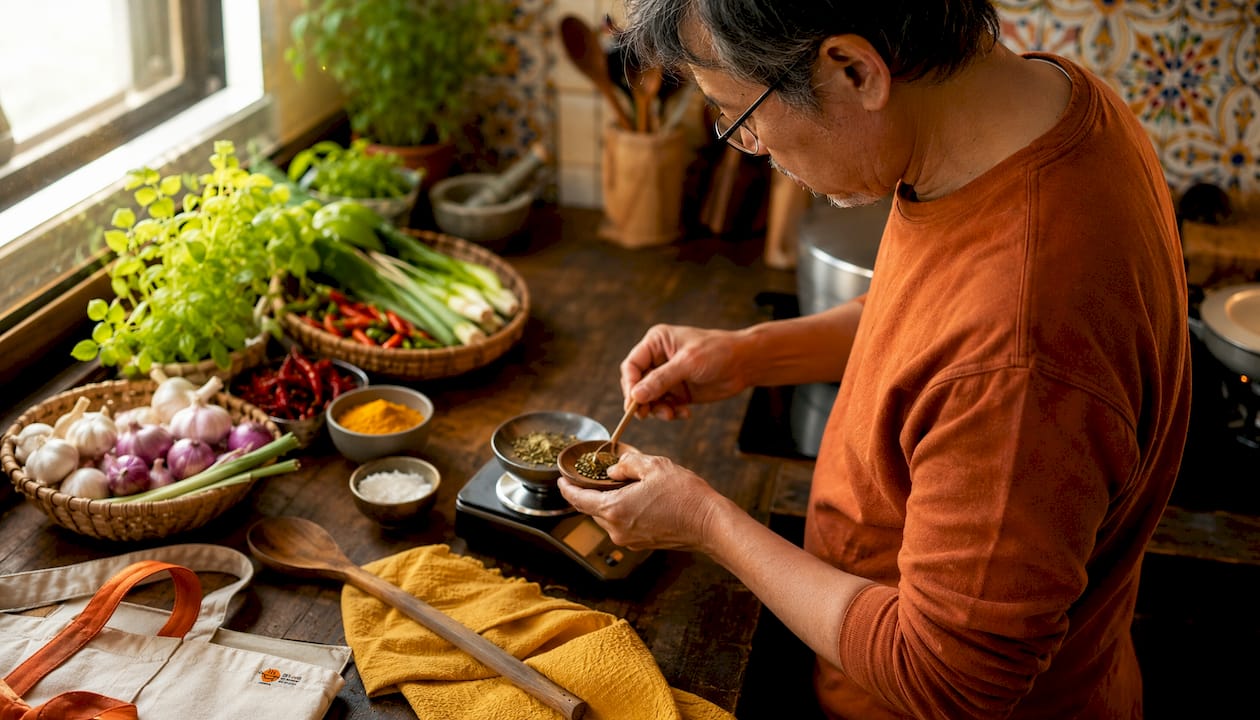
Experts also recommend starting with just one meal type rather than prepping every breakfast, lunch, and dinner at once. Pick the meal that causes you the most stress on weeknights, prep that one well, and build from there. Trying to do everything on day one is how people burn out by week two.
Pro Tip: Set up your station before you start cooking: containers open and labeled, cutting boards out, sheet pans lined with foil. Five minutes of setup saves twenty minutes of mid-prep scrambling.
Key Takeaways
Consistent meal prep built on balanced nutrition, safe food handling, and a logical kitchen workflow is the most reliable way to eat well and spend less throughout the week.
| Point | Details |
|---|---|
| Balance every meal | Combine protein, fiber-rich carbohydrates, and healthy fats in each prepped meal for lasting fullness. |
| Refrigerate within 2 hours | Perishable food must not sit at room temperature longer than 2 hours to stay safe. |
| Storage windows matter | Refrigerated cooked leftovers stay safe for 3–4 days; frozen cooked food stays safe for 2–3 months. |
| Start with one meal type | Prepping just breakfasts or just dinners first builds a sustainable habit without burnout. |
| Kitchendevotion for your setup | Kitchendevotion’s curated appliances and tools, from air fryers to cookware sets, help you prep faster and more consistently. |
Meal prep changed how I think about weeknight cooking
Most people approach meal prep as a chore to minimize. That framing is the problem. The sessions that feel like a grind are usually the ones where someone tried to prep fifteen different recipes in one afternoon, ran out of containers, and ended up with a refrigerator full of food they were too tired to label.
The version that actually sticks looks different. You pick two or three proteins, one or two grains, and a pile of roasted vegetables. From those components, you build five completely different meals during the week by changing the sauces, spices, and pairings. That is not rigid meal prep. That is modular cooking, and it leaves room for creativity instead of killing it.
The mental benefit is real too. Decision fatigue around food is one of the quieter stressors of a busy week. When you open the refrigerator and already know what dinner is, that is one less thing your brain has to negotiate. The time savings are obvious. The cognitive savings are underappreciated.
Kitchendevotion makes your prep station work harder for you
The difference between a prep session that feels productive and one that drags often comes down to the tools you are working with. A pan that heats unevenly, a container that leaks, a knife that slips: these small frustrations add up across every session.
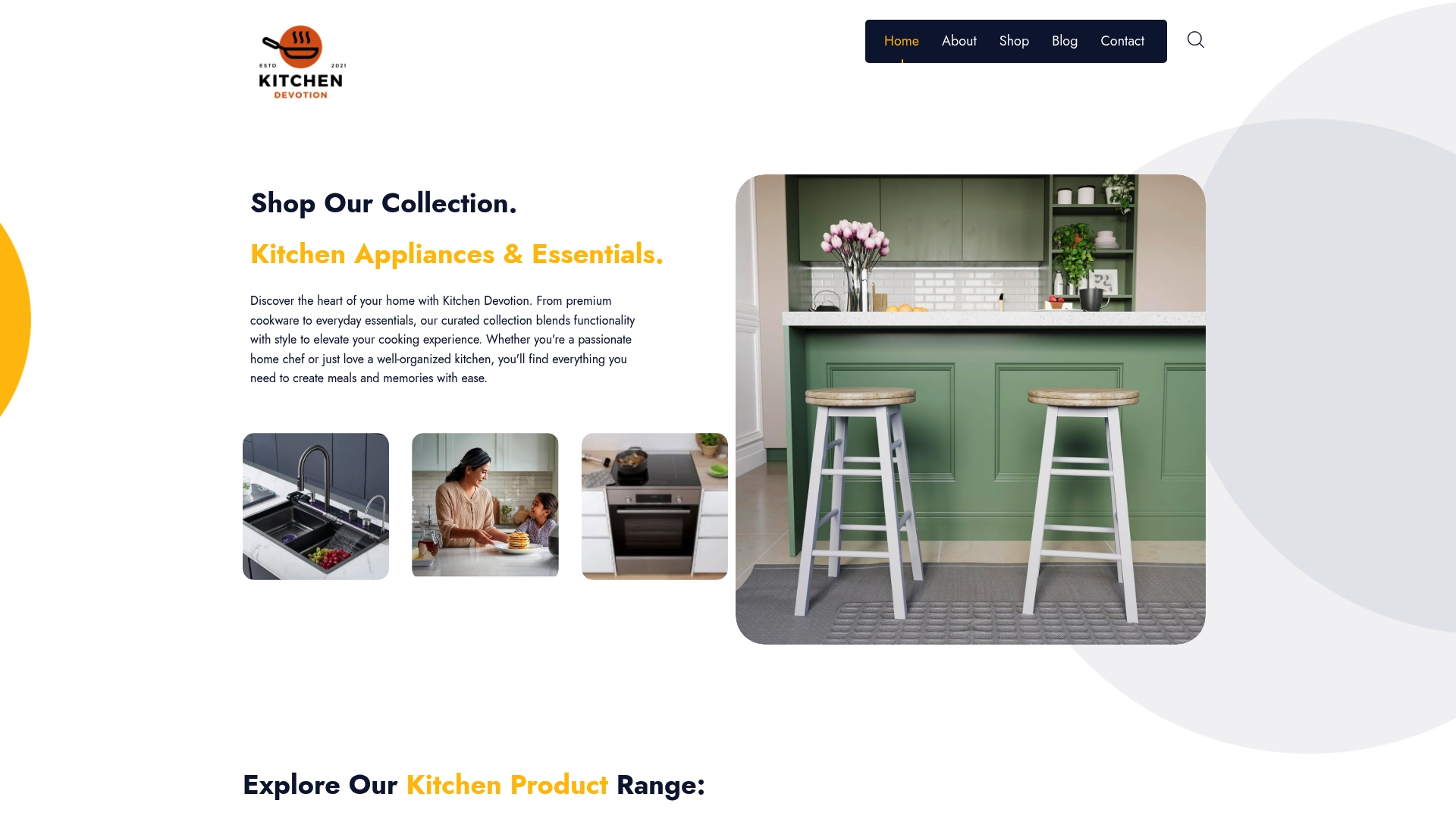
Kitchendevotion curates kitchen appliances and tools specifically for home cooks who want quality without the guesswork of shopping through thousands of options. The time-saving appliances list covers the appliances that genuinely cut prep time, including air fryers that roast proteins and vegetables in under 20 minutes. The cookware sets are selected for even heat distribution and durability across years of weekly prep. Every product on the site balances style and function, because a kitchen you enjoy being in is one you will actually use.
FAQ
How many days ahead can you safely meal prep food?
Cooked leftovers stay safe refrigerated at 40°F or below for 3–4 days. For longer storage, freeze portions at 0°F or below for up to 2–3 months.
What are the easiest meal prep ideas for beginners?
Start with one meal type, such as lunches. Grain bowls, mason jar salads, and portioned soups require minimal cooking skill and hold well in the refrigerator for several days.
How do you meal prep on a tight budget?
Build meals around affordable staples like dried lentils, canned beans, frozen vegetables, oats, and bone-in chicken thighs. Cooking a large batch of grains once and repurposing it across multiple meals cuts both cost and time.
What containers work best for meal prepping?
Glass containers with airtight snap-lock lids are the most durable and versatile option. They go from freezer to microwave safely and do not absorb odors or stains over time.
Is meal prep safe for people with dietary restrictions?
Yes. Most meal prep ideas adapt easily to vegan, vegetarian, and gluten-free diets by swapping proteins and grains. Lentil soups, grain bowls with chickpeas, and overnight oats are naturally free of common allergens and work for most dietary needs.


No comment