
Budget-friendly kitchen tools are affordable, functional essentials that cost under $50 and cover the core tasks of every home cook. Getting new kitchen tools on a budget does not mean settling for flimsy gadgets. The right picks, including the ThermoMonster instant-read thermometer, a Cuisinart paring knife, and a solid cutting board, deliver real performance at prices that leave money for groceries. This guide covers the best affordable kitchen gadgets for 2026, ranked by value, versatility, and how much they actually improve your cooking.
1. Which new kitchen tools under $50 provide the best value?
The best inexpensive cooking tools earn their place by doing more than one job well. A tool that costs $15 and gets used daily beats a $60 gadget that sits in a drawer. Here are the top picks every budget-conscious cook should know.
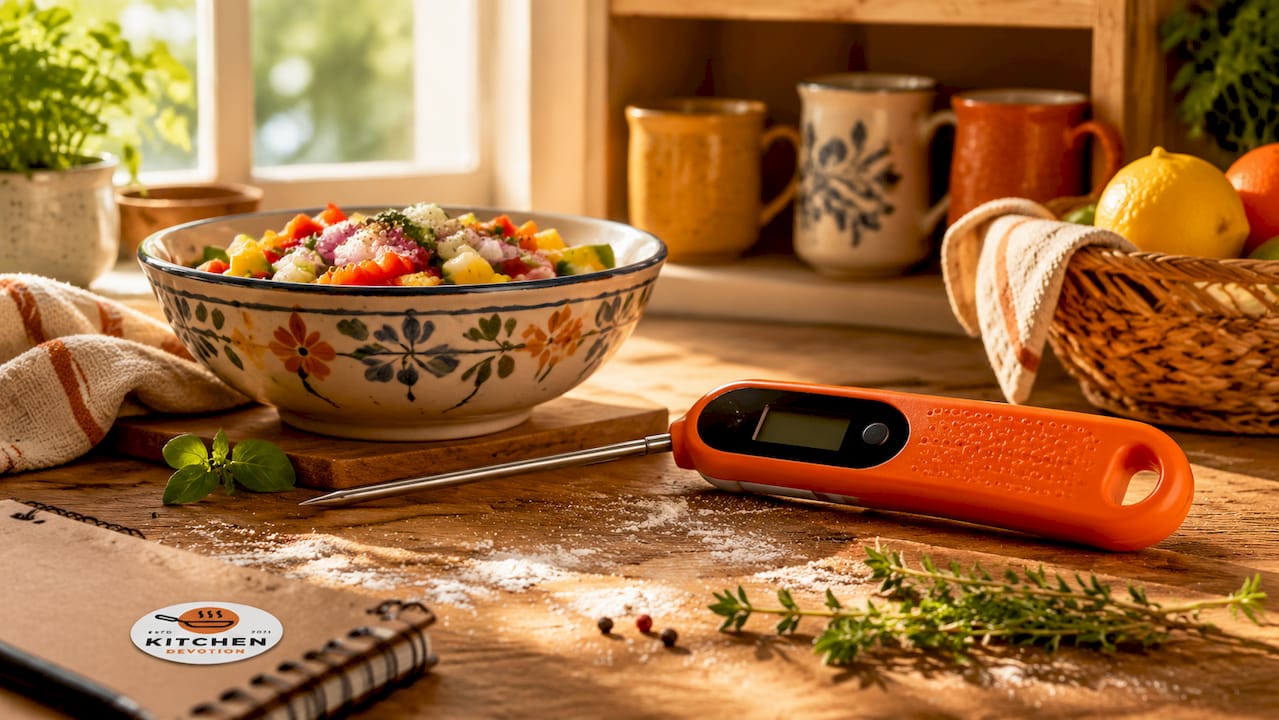
- Instant-read thermometer. The ThermoMonster thermometer costs about $15.99 and delivers readings within 2–4 seconds with ±1°F accuracy. That speed matters because slow thermometers get ignored, and ignored thermometers lead to overcooked chicken or underdone pork. It also features a magnetic back and a rotating display, so it stores flat on the fridge and reads at any angle.
- Paring knife. The Cuisinart 3.5-inch paring knife costs about $9 and handles peeling, trimming, and detail work that a chef’s knife cannot. Tested against pricier brands, it holds an edge well for everyday tasks.
- Cutting board. A solid plastic or bamboo cutting board in the $15–$20 range protects your knives and your countertops. Buy two: one for produce and one for raw meat.
- Digital kitchen scale. Scales under $20 give accurate measurements for baking and portion control without any costly features you will never use. Weighing ingredients is faster and more accurate than measuring cups for most recipes.
- Reusable storage containers. Rubbermaid glass food containers at around $35 for a set match the performance of premium brands. Glass lets you see contents at a glance and goes from fridge to microwave without a second thought.
- Hand mixer. A basic hand mixer in the $25–$35 range handles whipped cream, cake batter, and mashed potatoes. It does the same work as a stand mixer for most home recipes at a fraction of the cost.
Pro Tip: Buy the ThermoMonster or a comparable instant-read thermometer before any other gadget. It pays for itself the first time it saves a roast from being overcooked.
2. How do essential cookware and utensils fit into a budget kitchen setup?
A functional kitchen does not need a full cabinet of pots and pans. A small core set of 2–3 pots and pans plus 4–6 dishes covers roughly 90% of everyday cooking. That insight changes how you shop. Instead of buying a 12-piece set you will rarely use, you buy fewer, better pieces.
Here is the order to build your cookware setup:
- Large skillet (10 or 12 inch). This is the single most used pan in any kitchen. A mid-range nonstick skillet in the $25–$40 range handles eggs, sautéed vegetables, pan sauces, and seared proteins. Look for a budget cookware set that includes this size as the anchor piece.
- Medium saucepan (2–3 quart). Soups, grains, sauces, and boiled eggs all need a saucepan. One good one is enough to start.
- Large stockpot (6–8 quart). Pasta, big batches of soup, and blanching vegetables require volume. A basic stainless or aluminum stockpot under $30 works fine.
- Spatula and tongs. A silicone spatula and a pair of locking tongs cover most stovetop tasks. Buy heat-resistant silicone to protect nonstick surfaces.
- Measuring spoons and cups. A nested set of measuring spoons costs under $10 and lasts for years. Stainless steel holds up better than plastic over time.
- Can opener. A quality can opener lasts over 10 years, making it one of the best value purchases in a starter kitchen. Cheap replacements cost more in the long run.
- Wooden spoon or silicone stirring spoon. Every pot needs a stirring spoon. Wooden spoons are cheap, durable, and gentle on all cookware surfaces.
Avoid buying large gadget collections early. A $200–$400 budget for cookware covers a durable, lasting setup when you spend it on the right pieces rather than spreading it across a dozen items you rarely reach for.
3. What budget-friendly gadget alternatives maximize space and utility?
Single-use gadgets are the biggest budget trap in a kitchen. An avocado slicer, a strawberry huller, and a mango splitter each cost $10–$15 and do one thing. A $9 paring knife does all three jobs and a hundred more. Versatile tools replace many single-use slicers, saving both money and drawer space.
Here is a direct comparison of common gadgets versus their smarter, cheaper alternatives:
| Expensive or single-use gadget | Budget alternative | Approximate savings |
|---|---|---|
| Aerosol cooking spray ($5–$8 per can) | Refillable oil sprayer ($10–$15 one time) | $30+ per year |
| Plastic wrap (ongoing cost) | Beeswax wraps at around $23 | Saves money over 6–12 months |
| Avocado slicer, mango splitter, strawberry huller | Cuisinart paring knife ($9) | $20–$30 upfront |
| Expensive glass containers (premium brands) | Rubbermaid glass set ($35) | $20–$40 per set |
| Stand mixer ($200–$400) | Hand mixer ($25–$35) | $150–$350 |
Reusable beeswax wraps at around $23 replace plastic wrap for covering bowls, wrapping cheese, and storing cut produce. They last for multiple uses and reduce kitchen waste. That is a practical win for both your budget and your counter space.
Glass storage containers beat plastic for one key reason: visibility. You can see exactly what is inside without opening the lid. That reduces food waste because you actually use what you store. Pair them with a kitchen gadget approach that favors multi-use tools, and your kitchen stays organized without filling up with clutter.
- Refillable oil sprayers give you control over how much oil you use and cost far less per use than aerosol cans.
- A single good paring knife replaces most specialty slicers on the market.
- Nested mixing bowls with lids double as storage containers, cutting the number of items you need to own.
4. Where to buy kitchen tools on sale and how to shop smart
The best place to buy cheap kitchen essentials is wherever you can compare prices and read verified reviews before buying. Amazon, Target, and Walmart all carry the brands mentioned here, and prices shift frequently. Checking multiple retailers before buying any tool under $50 takes five minutes and often saves $5–$10 per item.
Pro Tip: Buy individual tools before committing to large sets. A single well-reviewed skillet tells you more about a brand’s quality than a 12-piece set ever will.
The smartest shopping strategy for budget kitchen utensils follows three rules. First, buy the tool you need most right now, not the tool you might need someday. Second, read reviews that mention durability after six months or more, not just first impressions. Third, check the return policy before buying any item over $20.
Proper storage extends the life of every tool you buy. Magnetic storage features, like the magnetic back on the ThermoMonster, keep tools accessible and prevent the damage that comes from tossing them into a crowded drawer. Nested mixing bowls and stackable containers save cabinet space and reduce the chance of chips and cracks.
Knife care is the most overlooked maintenance habit in a budget kitchen. Hand-washing and drying knives immediately after use prevents rust and keeps edges sharp longer. A $10 honing steel used weekly extends the time between sharpenings and protects your investment in even a budget blade.
Freezer portioning is a free tool that most home cooks underuse. Dividing cooked grains, soups, and proteins into single-serving portions before freezing cuts prep time on busy nights and reduces spoilage. Combine that habit with glass storage containers and a digital scale, and your kitchen runs more efficiently without spending another dollar.
Meal prep efficiency comes from organized storage as much as from the tools themselves. Portioning systems like freezer cubes reduce waste and cut cooking prep time throughout the week. That is the kind of return no gadget can match.
Key takeaways
The most effective approach to equipping a budget kitchen is to buy fewer, better tools that each serve multiple purposes and last for years.
| Point | Details |
|---|---|
| Start with a thermometer | The ThermoMonster at $15.99 prevents cooking failures and pays for itself quickly. |
| Build cookware in layers | A skillet, saucepan, and stockpot cover 90% of everyday cooking needs. |
| Replace single-use gadgets | A paring knife and beeswax wraps replace dozens of specialty items at a fraction of the cost. |
| Shop with reviews and returns | Read durability reviews and confirm return policies before any purchase over $20. |
| Store tools properly | Magnetic mounts, nested bowls, and hand-washed knives extend tool life significantly. |
Why I stopped buying kitchen sets and started buying single tools
The first kitchen I ever set up had a 20-piece cookware set, a knife block with eight blades, and a drawer full of gadgets I used once. Within a year, I was cooking with three pans and two knives. Everything else collected grease.
The shift that changed how I shop happened when I bought a $15 instant-read thermometer and realized it improved my cooking more than any pan I owned. That one tool removed the guesswork from every protein I cooked. It also made me ask a harder question: what else in my kitchen actually earns its place?
The answer, after years of cooking and testing, is a short list. A sharp paring knife, a reliable skillet, a digital scale, and a few good storage containers do the work. Everything else is optional. Budget-conscious cooks are not missing out by skipping the specialty gadgets. They are often cooking better because they rely on skill and a few dependable tools rather than a cabinet full of substitutes for technique.
The one place I see home cooks underinvest is storage. Glass containers and beeswax wraps sound like minor purchases. They are not. Good storage reduces waste, keeps your fridge organized, and makes meal prep faster every single week. That return compounds over time in a way that a $40 avocado slicer never will.
If you are building a kitchen from scratch or upgrading what you have, start with the stylish kitchen tools checklist approach: function first, style second, specialty gadgets never. You will spend less, cook better, and actually enjoy your kitchen.
— K. Connors
Kitchendevotion’s picks for budget-friendly kitchen appliances
Kitchendevotion curates kitchen tools and appliances specifically for home cooks who want quality without overspending. The site covers everything from affordable cookware sets to air fryers that cut meal prep time on weeknights.
For cooks who want to go beyond basic tools, Kitchendevotion’s time-saving kitchen appliances list covers tested picks across every budget tier. Whether you are setting up a first kitchen or replacing worn-out gear, the site organizes products by category, price, and use case so you can find the right tool without sorting through hundreds of options.
FAQ
What are the best kitchen tools under $50?
The ThermoMonster instant-read thermometer at $15.99, the Cuisinart 3.5-inch paring knife at $9, and a digital kitchen scale under $20 are the top picks for value and daily use. A cutting board in the $15–$20 range rounds out the core starter set.
How many pots and pans do I actually need?
A core set of 2–3 pots and pans covers roughly 90% of everyday cooking. Start with a large skillet, a medium saucepan, and a stockpot before buying anything else.
Are reusable beeswax wraps worth buying?
Yes. Beeswax wraps at around $23 replace plastic wrap for most storage tasks, last for multiple uses, and reduce kitchen waste. They cover bowls, wrap cheese, and store cut produce effectively.
What is the best way to make budget kitchen tools last longer?
Hand-wash and dry knives immediately after use, store thermometers and small tools on magnetic mounts, and nest bowls and containers to prevent chips. These habits extend tool life without any added cost.
Where can I find affordable kitchen gadgets on sale?
Amazon, Target, and Walmart carry most of the brands covered here, and prices change frequently. Comparing prices across at least two retailers before buying any tool saves money on nearly every purchase.




No comment