
Easy weeknight dinners are meals that come together in 30 minutes or less with minimal prep, simple ingredients, and little cleanup. Decision fatigue is the primary reason weeknight cooking fails. By the time 6 PM arrives, most busy families have made hundreds of choices throughout the day, and “what’s for dinner?” becomes the hardest question of all. The good news: a small set of repeatable cooking formats, a stocked pantry, and one smart planning habit can make fast weeknight meals feel automatic rather than stressful.
1. What are the best easy weeknight dinner formats?
The fastest weeknight dinners come from a repeatable set of six formats: sheet pan, one pot, 30-minute mains, pasta, grain bowls, and stir fries. Each format has a predictable cook time, a defined cleanup load, and a clear effort level. Choosing a format first, before you choose a specific recipe, is the single most effective way to reduce decision fatigue at dinnertime.
| Format | Active time | Total time | Cleanup |
|---|---|---|---|
| Sheet pan | 10 min | 25–40 min | Very low |
| One pot | 15 min | 25–45 min | Low |
| Stir fry | 15 min | 20 min | Low |
| Pasta | 10 min | 20–25 min | Low |
| Grain bowl | 10 min | 15 min (with prepped grains) | Very low |
| 30-minute mains | 15 min | 30 min | Medium |
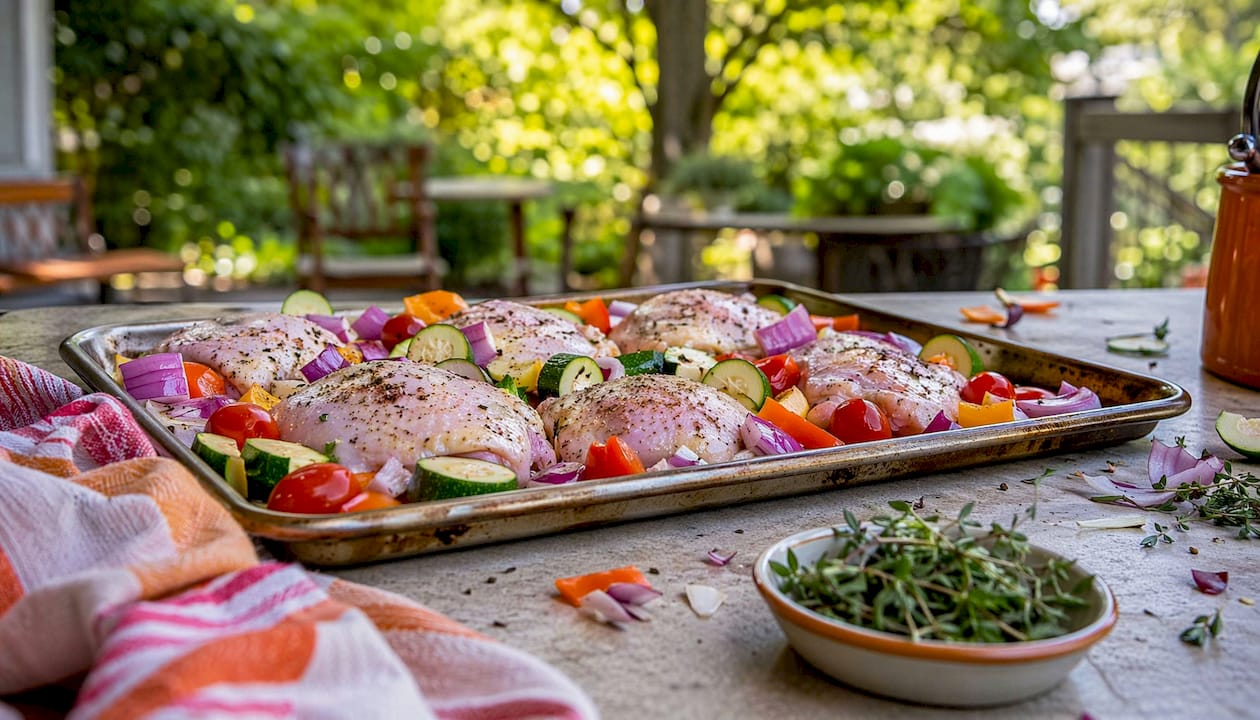
Sheet pan dinners are the lowest-effort weeknight format, using one pan in the oven at 400–425°F for 25–40 minutes with almost no active time. You prep the ingredients, slide the pan in, and walk away. One-pot dinners rank just behind sheet pans on the effort scale. The stovetop vessel holds everything from stew to pasta, where the starch cooks directly in the sauce and the result is a meal that tastes like it took far longer than it did.
Pro Tip: Match your format to your energy level, not just your schedule. On high-stress days, choose sheet pan or grain bowl. Save stir fries for nights when you want to be active in the kitchen.
2. How pantry staples and batch prep simplify weeknight cooking
A stocked pantry is the foundation of every reliable quick dinner recipe. Nutritionists identify five core pantry categories that allow meal assembly without a grocery run: acid (vinegar, citrus), fat (olive oil, butter), alliums (onion, garlic, shallots), starches (rice, pasta, canned beans), and frozen proteins. When plans change, these five categories let you pivot without panic.
Batch prep compounds the pantry advantage. Cooking rice, browning ground beef, and chopping vegetables on Sunday takes about 45 minutes and cuts weeknight cooking time dramatically. That 45-minute investment pays off every single night of the week. You are not cooking faster recipes. You are removing the slowest steps before the week even starts.
Structured meal planning with a grocery list reduces shopping time by 23% and cuts impulse purchases. That means less time in the store and less food waste at home. A well-organized meal prep station makes batch prep faster and more consistent.
Here is a practical pantry stocking checklist to get started:
- Acid: white wine vinegar, apple cider vinegar, lemons, limes
- Fat: extra-virgin olive oil, neutral oil (avocado or canola), unsalted butter
- Alliums: yellow onions, garlic bulbs, shallots (fresh or frozen minced)
- Starches: dry pasta, white and brown rice, canned chickpeas, canned white beans, lentils
- Frozen proteins: boneless chicken thighs, ground beef, shrimp, edamame
Pro Tip: Freeze minced garlic in an ice cube tray with olive oil. Each cube equals roughly one tablespoon of garlic and fat, ready to drop directly into a hot pan.
3. Ten simple meal ideas for busy weeknights
These ten dinners represent the formats above in action. Each one is built for speed, minimal cleanup, and real family appeal.
1. Sheet pan chicken thighs with roasted vegetables
Toss bone-in chicken thighs with olive oil, garlic, and your choice of vegetables (broccoli, bell peppers, zucchini). Roast at 425°F for 35 minutes. Total active time: under 10 minutes. The high heat crisps the skin while the vegetables caramelize on the same pan. Cleanup is one pan and a cutting board.
2. One-pot pasta with tomato and white beans
Combine dry pasta, canned crushed tomatoes, canned white beans, garlic, and chicken broth in a single pot. Bring to a boil, then simmer until the pasta absorbs the liquid and the sauce thickens. Total time: 22 minutes. The starch from the pasta naturally thickens the sauce, so no draining or extra steps are needed.
3. Quick beef and broccoli stir fry
Slice flank steak thin, toss with soy sauce and cornstarch, and cook in a very hot pan for 3 minutes. Add broccoli florets and a simple sauce of soy, sesame oil, and a splash of rice vinegar. Serve over pre-cooked rice from your batch prep. Total time: 15 minutes if the rice is ready.
4. Baked salmon with lemon and herbs
Place salmon fillets on a lined sheet pan, brush with olive oil, season with salt, pepper, and fresh dill or parsley, and bake at 400°F for 12–15 minutes. Salmon is forgiving and cooks fast. Pair it with a bag of pre-washed salad greens for a complete meal in under 20 minutes.
5. Chicken and vegetable grain bowl
Layer cooked farro or brown rice (from Sunday batch prep) with rotisserie chicken, sliced cucumber, cherry tomatoes, and a drizzle of tahini or store-bought dressing. No cooking required beyond reheating the grain. This is the fastest dinner on the list when your batch prep is done.
6. Ground turkey tacos
Brown ground turkey in a skillet with taco seasoning, onion, and garlic. Warm corn tortillas directly on the gas burner or in a dry skillet. Set out toppings (shredded cabbage, salsa, sour cream, lime) and let everyone build their own. Total active time: 15 minutes. Tacos also work as a budget-friendly dinner that feeds a crowd without effort.
7. Egg fried rice
Heat a wok or large skillet until very hot. Add oil, then cold cooked rice (day-old rice works best because it is drier). Push the rice to the side, scramble two eggs in the empty space, then fold everything together with soy sauce, sesame oil, and frozen peas. Total time: 10 minutes. This is the best use of leftover rice in your refrigerator.
8. Vegetarian black bean chili
Combine two cans of black beans, one can of diced tomatoes, one can of corn, diced onion, garlic, and chili powder in a pot. Simmer for 20 minutes. Top with shredded cheese, sour cream, and cilantro. This is a fully plant-based option that satisfies meat-eaters too. It also freezes perfectly for future buffer nights.
9. Simple chicken noodle soup
Use pre-cooked shredded chicken (from batch prep or a rotisserie bird), egg noodles, chicken broth, diced carrots, and celery. Bring to a boil and cook until the noodles are tender, about 10 minutes. This is the definition of a one-pot weeknight dinner: one vessel, minimal prep, and leftovers that taste even better the next day.
10. Air fryer salmon bites with rice
Cut salmon into 1-inch cubes, toss with soy sauce, garlic powder, and a little honey, then air fry at 400°F for 8 minutes. Serve over rice with steamed edamame on the side. The air fryer method produces crispy edges without any oil splatter or pan cleanup. Total time: 15 minutes.
4. Kitchen workflow strategies that cut cooking time
Parallel processing is the technique that separates experienced home cooks from beginners. Expert cooks start the slowest element first, then prep everything else while that element cooks. A pasta dinner, for example, starts with a pot of water on the burner. While the water heats, you dice the onion, mince the garlic, and open the cans. By the time the water boils, your prep is done. Sequential cooking, where you finish one step before starting the next, adds 10–15 minutes to every dinner.
Format-by-day planning removes the hardest part of weeknight cooking entirely. Decision fatigue at 6 PM is the primary cause of weeknight dinner failure. Assigning a format to each day (Monday is sheet pan, Tuesday is pasta, Wednesday is stir fry) means you only choose the specific ingredients, not the entire cooking approach. That is a much smaller decision.
Planning five nights of meals and leaving two nights as buffers for leftovers or low-effort options works better than planning a full week. Reverse-engineering meals from whatever leftovers happen to exist fails far more often than planned recipes executed before shopping.
A few more workflow habits that pay off immediately:
- Heat your pan before you add oil or food. A cold pan is the most common reason proteins stick and vegetables steam instead of sear.
- Keep your most-used tools (chef’s knife, cutting board, wooden spoon, sheet pan) in the same spot every time. Searching for equipment adds friction and slows you down.
- Read the recipe once through before you start. Surprises mid-cook, like a 30-minute marinating step, are avoidable.
- Use kitchen workflow tips to organize your cooking sequence before you turn on the stove.
Batch cooking appliances like Instant Pots and rice cookers handle the slowest batch prep tasks hands-free, which makes Sunday prep even faster.
Key takeaways
The most effective approach to easy weeknight dinners is choosing a repeatable format first, stocking five pantry categories, and using parallel processing to cut total cook time.
| Point | Details |
|---|---|
| Format-first planning | Choose a cooking format before a recipe to reduce decision fatigue every night. |
| Five pantry categories | Stock acid, fat, alliums, starches, and frozen proteins to cook without a grocery run. |
| Batch prep on Sunday | 45 minutes of prep on the weekend removes the slowest steps from every weeknight dinner. |
| Parallel processing | Start the slowest element first, then prep others while it cooks, to hit 30-minute dinners reliably. |
| Plan five nights, not seven | Leave two buffer nights for leftovers or no-cook meals to avoid planning failure. |
What I’ve learned from years of weeknight cooking
The biggest mistake busy families make is treating weeknight cooking as a performance. They pick ambitious recipes, buy specialty ingredients, and then feel defeated when it falls apart at 6:30 PM. I spent years doing exactly that before I realized the goal is not a great recipe. The goal is a reliable system.
Sheet pan chicken thighs and one-pot pasta are not exciting. They are not supposed to be. They are the meals I make when I have nothing left to give, and they are consistently good. That consistency is worth more than any impressive dish I have ever attempted on a Tuesday.
The pantry stocking habit changed my cooking more than any single recipe or appliance. When I know I have garlic, olive oil, canned beans, and frozen shrimp, I am never truly stuck. The meal might not be planned, but it is always possible. That feeling of “I can handle this” is what makes weeknight cooking sustainable long-term.
One mindset shift that helped me: stop thinking about what you want to eat and start thinking about what format fits your energy level tonight. Some nights you have 10 minutes and zero patience. That is a grain bowl night. Other nights you want to stand at the stove and actually cook something. That is a stir fry night. Matching the format to your energy removes the guilt of “not cooking a real meal” entirely.
— K. Connors
The right tools make fast dinners even faster
Weeknight cooking gets easier when your equipment works with you, not against you. A quality sheet pan that does not warp at high heat, a heavy-bottomed pot that distributes heat evenly, and an air fryer that crisps food in under 10 minutes are not luxuries. They are the tools that make the formats above actually work as advertised.

Kitchendevotion curates time-saving kitchen appliances specifically for busy cooks who want faster prep and less cleanup. The collection includes air fryers that handle salmon bites and chicken thighs in minutes, plus cookware sets built for the one-pot and sheet pan formats described above. Every product is selected for durability, ease of use, and real weeknight performance.
FAQ
What counts as an easy weeknight dinner?
An easy weeknight dinner is any meal that requires 15 minutes or less of active prep and comes together in 30 minutes or under. Sheet pan meals, one-pot pastas, and grain bowls all qualify.
How do I stop feeling stuck on what to cook?
Format-by-day planning is the most effective fix. Assign a cooking format to each weeknight (sheet pan Monday, pasta Tuesday) so you only choose ingredients, not the entire approach.
What pantry staples do I need for quick dinners?
Nutritionists recommend stocking five categories: acid, fat, alliums, starches, and frozen proteins. These five groups cover the base of nearly every fast weeknight meal without a grocery run.
Is batch cooking worth the time on weekends?
Batch prep takes roughly 45 minutes on a Sunday and removes the slowest steps from every dinner that week. Cooked grains, browned meat, and chopped vegetables cut weeknight cook time significantly.
How many nights should I plan meals for?
Plan five nights and leave two as buffer nights for leftovers or no-cook options. Planning all seven nights leads to frequent failure when schedules shift.



No comment