Home cooking is the practice of preparing meals from scratch at home, giving you direct control over nutrition, flavor, and ingredients. That control matters. Cooking at home lets you reduce sodium, cut saturated fat, and customize every dish to your family’s needs. Health Canada recommends cooking more often at home as a core healthy eating habit, noting that batch cooking and simple seasoning skills make the biggest difference for busy households. Whether you are building your first recipe rotation or refining techniques you already know, the fundamentals covered here apply at every skill level.
What are the essential home cooking skills every cook needs?
Confidence in the kitchen comes from a small set of habits, not a long list of recipes. Master these habits first, and everything else follows.
Taste your food at every stage
Tasting at every stage is the single most important rule experienced cooks follow. An under-seasoned braise at the 30-minute mark is easy to fix. The same dish after plating is not. Get into the habit of tasting after each major step: after sautéing aromatics, after adding liquid, and again before serving.
Seasoning is not just about salt. Acid, fat, and heat each change how flavor registers on your palate. A squeeze of lemon juice at the end of a soup can do more than an extra pinch of salt. Learning to identify what a dish is missing, rather than just adding more of what you already used, is the skill that separates good cooks from great ones.
Use mise en place before you turn on the stove
Mise en place is a French culinary term meaning “everything in its place.” In practice, it means prepping and organizing all your ingredients before you start cooking. Chop your vegetables, measure your spices, and set out your tools before the burner goes on. Beginners who adopt this habit burn fewer dishes and feel noticeably more in control.
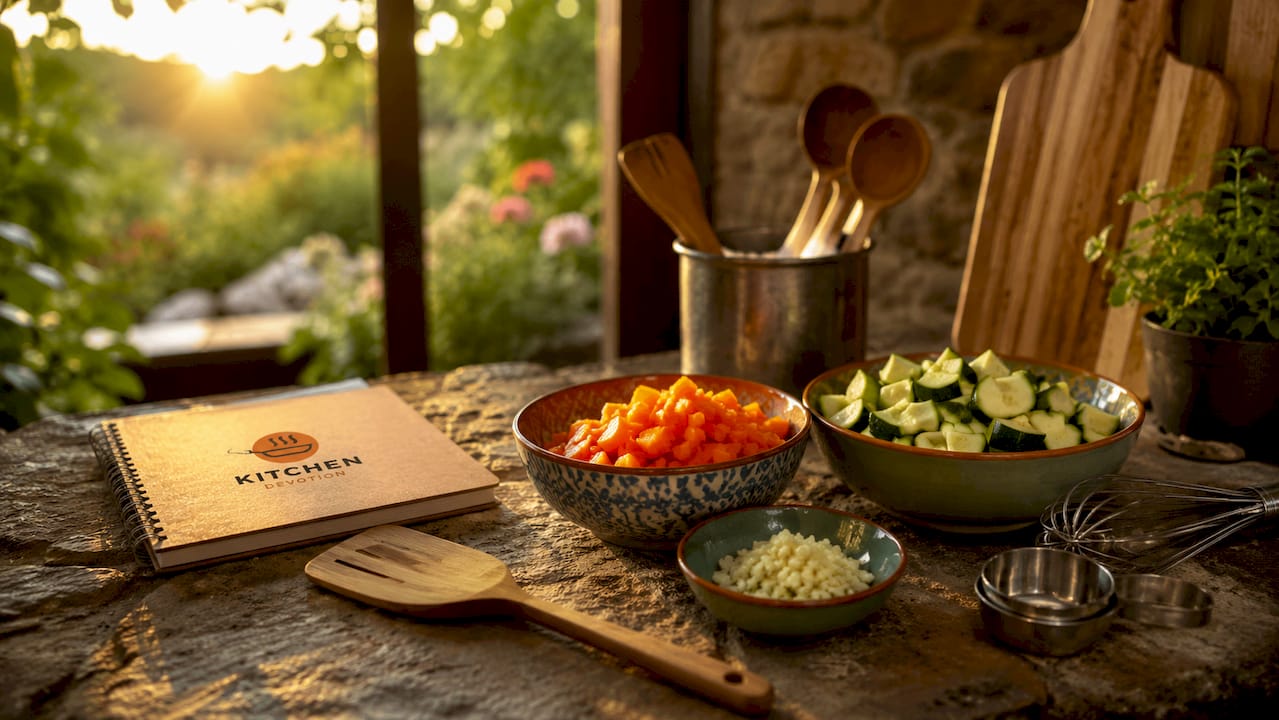
The payoff is not just psychological. When you are not scrambling to dice an onion while garlic burns in the pan, you make better decisions. You notice when a sauce needs more liquid. You catch a missing ingredient before it is too late to substitute.
Pro Tip: Set up a small tray or sheet pan as your mise en place station. Place every prepped ingredient on it before you start cooking. This one habit cuts kitchen stress by more than half.
Know your protein temperatures
A meat thermometer removes all guesswork from cooking proteins safely and well. Chicken is done at 165°F. Medium-rare beef reads around 130°F. Fish is ready between 125°F and 130°F. These numbers are not suggestions. They are the difference between a dry, overcooked breast and a juicy one.
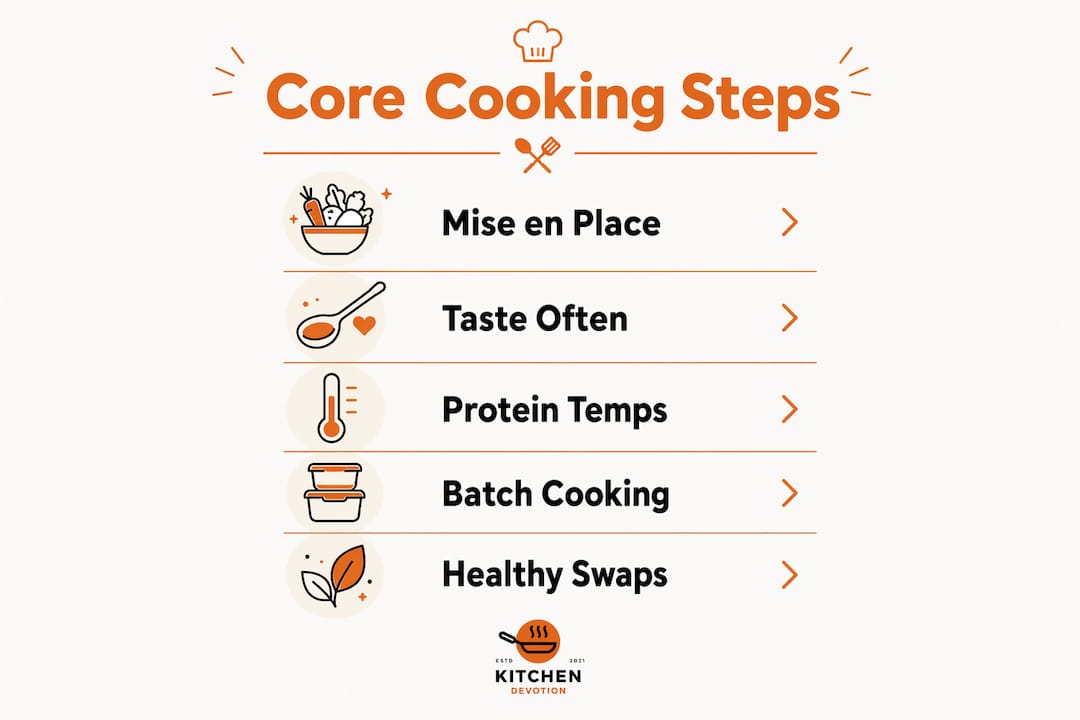
Digital instant-read thermometers cost under $20 and last for years. Using one consistently builds a mental library of what “done” looks and feels like, which eventually reduces how often you need to reach for it.
Here are the core skills and tools every home cook should build first:
- Tasting frequently: Adjust seasoning early, not at the end
- Mise en place: Prep everything before the heat goes on
- Knife skills: A sharp chef’s knife and a large cutting board handle 80% of prep work
- Thermometer use: Standardize doneness for chicken, beef, and fish
- Spice building: Start with five core spices (salt, black pepper, garlic powder, cumin, paprika) and add gradually
- One-pan techniques: Sautéing, searing, and deglazing cover most weeknight meals
What are the best batch cooking strategies for busy cooks?
Batch cooking means preparing larger quantities of food at one time, then storing portions for use throughout the week or month. Health Canada recommends it specifically to save time and money on weekday meals. The concept is simple: cook once, eat multiple times.
What foods work best for batch cooking?
The best candidates for batch cooking are dishes that hold up well after freezing and reheating. Soups, stews, chili, casseroles, and pasta sauces all freeze without losing texture or flavor. Cooked grains like rice and farro also batch well and reheat in minutes. Proteins like shredded chicken or ground beef can be cooked in bulk and used across multiple meals during the week.
Batch cooking scale can range from making a few extra portions for tomorrow’s lunch to filling a freezer with two weeks of dinners. The right scale depends on your schedule and storage space. Even a modest Sunday session of two or three dishes cuts daily decision fatigue significantly.
How to build a practical batch cooking routine
Start with a single anchor dish each week. A large pot of lentil soup or a tray of roasted vegetables takes about 45 minutes and covers three to four meals. Once that habit is solid, add a second dish. Most experienced batch cooks settle on a rhythm of two to three anchor dishes per week, which covers the majority of their meals.
Pro Tip: Use a slow cooker or Instant Pot for batch cooking soups and stews. You can start a large batch in the morning and come home to a finished meal. Kitchendevotion covers the best batch cooking appliances for busy families if you want specific product guidance.
Prepping vegetables in advance is equally valuable. Wash, chop, and store cut vegetables in airtight containers on Sunday. During the week, they go straight from the fridge into the pan. This single step removes the most time-consuming part of weeknight cooking.
| Batch cooking scale | Time investment | Meals covered | Best for |
|---|---|---|---|
| Minimal (1 dish) | 30–45 minutes | 2–3 meals | Beginners, small households |
| Moderate (2–3 dishes) | 1.5–2 hours | 5–8 meals | Families, weekly meal planners |
| Full batch session | 3–4 hours | 10–14 meals | Freezer meal prep, large families |
Sauces deserve special attention in any batch cooking plan. A large batch of tomato sauce, pesto, or a simple pan sauce base can anchor pasta dishes, grain bowls, and protein plates across the week. Making sauce in bulk and freezing it in half-cup portions gives you a flavor shortcut on any busy night.
How do healthy ingredient swaps improve your meals?
Smart substitutions let you cook healthier home meals without changing the dishes your family already loves. The goal is not to strip flavor. It is to get the same result with ingredients that carry less saturated fat or sodium.
Heart-healthy cooking guidelines from the American Heart Association recommend replacing heavy cream with fat-free evaporated milk or a blend of low-fat dairy. The texture stays rich. The saturated fat drops significantly. Butter can be swapped for soft tub margarine or liquid vegetable oil in equal or slightly reduced quantities, with no noticeable change in most baked goods or sautéed dishes.
How to reduce salt without losing flavor
Layering umami-rich ingredients is the most effective way to reduce salt while keeping food delicious. Umami is the savory depth you taste in aged cheese, soy sauce, and slow-cooked meat. You can build that same depth with pantry staples that add flavor without adding sodium.
Use these ingredients to build flavor without relying on salt:
- Dried mushrooms: Rehydrate and add to soups, stews, and risottos for deep savory flavor
- Tomato paste: Cook it in oil for two minutes before adding liquid to unlock concentrated umami
- Miso paste: Stir into dressings, marinades, and soups at the end of cooking
- Lemon juice or vinegar: Add at the finish to brighten flavors and make dishes taste more complete
- Fermented products: Kimchi, soy sauce, and fish sauce add complexity in small quantities
Cooking methods also affect nutrition. Steaming and roasting preserve more vitamins than boiling. Roasting at high heat (400°F or above) caramelizes natural sugars in vegetables, adding sweetness without any added ingredients. Air frying produces a crispy texture with significantly less oil than pan frying, making it a practical swap for fried favorites.
The key principle is that flavor comes from technique as much as from ingredients. A well-seasoned cast iron skillet, proper browning, and a finishing acid can make a simple chicken breast taste like a restaurant dish.
What kitchen tools make home cooking easier and faster?
The right tools do not make you a better cook on their own. They remove friction so you can focus on the food. A poorly equipped kitchen creates constant small obstacles that add up to frustration.
Basic essential cookware covers most cooking tasks: a sharp chef’s knife, a large cutting board, a 12-inch skillet (cast iron or heavy nonstick), and a medium saucepan. A digital thermometer and quality storage containers round out the core kit. These seven items handle the vast majority of recipes a home cook will ever attempt.
Beginner-friendly tools worth owning
The following tools consistently make cooking faster and less stressful for cooks at every level:
- Chef’s knife (8-inch): One sharp knife outperforms a block of dull ones every time
- Digital instant-read thermometer: Removes guesswork from proteins and baked goods
- 12-inch skillet: Cast iron or hard-anodized nonstick handles searing, sautéing, and one-pan meals
- Sheet pans (two): Roasting vegetables, proteins, and sheet pan dinners require these
- Immersion blender: Purees soups and sauces directly in the pot, cutting cleanup time
- Airtight storage containers: Glass containers with locking lids protect batch-cooked meals and prepped vegetables
Choosing the right cookware material matters more than most cooks realize. Cast iron retains heat evenly and lasts decades with basic care. Hard-anodized aluminum heats quickly and resists warping. Stainless steel handles high-heat searing without reacting to acidic ingredients. Kitchendevotion’s guide on cookware materials breaks down which surface works best for each cooking task.
For cooks building a kit on a budget, kitchen tools under $50 cover the essentials without overspending. A well-chosen $15 thermometer and a $30 nonstick skillet will outperform a $200 gadget you never use.
Pro Tip: Before buying any new tool, cook with what you have for two weeks and note exactly where you feel friction. Buy to solve a specific problem, not to fill a drawer.
Why home cooking is an act of self-care, not a chore
The biggest obstacle to cooking at home is not skill. It is the belief that cooking requires more time, effort, and talent than most people have. That belief is wrong, and I have seen it hold back more capable cooks than any missing technique.
When I started cooking seriously, I made the same mistake most beginners make: I tried to cook impressive dishes before I had the basics down. I burned garlic, oversalted soups, and served undercooked chicken more than once. The turning point was not a cooking class or a new appliance. It was the moment I stopped trying to impress anyone and started cooking for the pleasure of it.
Home cooking as self-care is not a marketing phrase. When you control what goes into your food, you control your health in a direct, daily way. That is genuinely powerful. The act of chopping vegetables, smelling garlic in a hot pan, and tasting a sauce as it develops is grounding in a way that ordering delivery never is.
My honest advice: start with what you have. A single good knife, one reliable pan, and three recipes you enjoy eating are enough to build a real practice. Failures are not setbacks. A broken sauce teaches you more about emulsification than any video. A burnt onion teaches you more about heat control than a cooking class.
The cooks who improve fastest are not the ones with the best equipment. They are the ones who cook frequently, taste constantly, and treat every meal as a low-stakes experiment. Consistency beats ambition every time.
— K. Connors
Tools that make your kitchen work harder for you
Good cooking starts with the right setup. Kitchendevotion curates kitchen appliances and cookware that balance real functionality with everyday practicality, so you spend less time fighting your equipment and more time enjoying the process.

Whether you are building your first kitchen kit or upgrading tools that have slowed you down, Kitchendevotion’s time-saving kitchen appliances list covers the appliances that deliver the most value for home cooks. For cookware, the cookware sets collection includes options across every budget and cooking style, from hard-anodized nonstick to stainless steel multi-piece sets. Every product is selected to reduce friction and make cooking at home something you look forward to.
FAQ
What is home cooking, exactly?
Home cooking is the practice of preparing meals from raw or minimally processed ingredients in a domestic kitchen. It gives cooks direct control over nutrition, portion size, and flavor.
What are the most important skills for beginner home cooks?
The three most impactful skills are mise en place (prepping ingredients before cooking), tasting at every stage, and using a meat thermometer for proteins. These habits prevent the most common beginner mistakes.
How does batch cooking save time during the week?
Batch cooking means preparing large quantities of food at once and storing portions for later use. Soups, stews, casseroles, and pasta sauces all freeze well and reheat in minutes, cutting daily cooking time significantly.
What are the easiest healthy swaps in everyday recipes?
Replacing heavy cream with fat-free evaporated milk and swapping butter for liquid vegetable oil reduces saturated fat without changing texture. Adding lemon juice or miso at the end of cooking builds flavor without extra salt.
Do I need expensive tools to cook well at home?
No. A sharp 8-inch chef’s knife, a 12-inch skillet, a medium saucepan, and a digital thermometer cover the vast majority of recipes. Quality matters more than quantity when building a kitchen kit.
Key Takeaways
Home cooking improves nutrition, saves money, and builds confidence when you combine mise en place habits, batch cooking routines, and smart ingredient swaps.
| Point | Details |
|---|---|
| Taste at every stage | Adjust seasoning during cooking, not after plating, to fix problems before they are permanent. |
| Mise en place reduces errors | Prepping all ingredients before cooking prevents burning, missing steps, and poor timing. |
| Batch cooking cuts weeknight stress | Preparing soups, stews, and grains in bulk covers multiple meals and reduces daily decisions. |
| Healthy swaps preserve flavor | Replacing cream with low-fat dairy and using umami-rich ingredients reduces fat and sodium without sacrificing taste. |
| Tools should solve specific problems | A sharp knife, a 12-inch skillet, and a digital thermometer handle most home cooking tasks at any budget. |




No comment