Your blender does a lot more than morning smoothies. With the right approach, it handles everything from silky soups and creamy dips to dessert sauces and protein-packed snacks, all in under ten minutes. Here are the most popular and versatile blender recipes home cooks reach for again and again:
- Green power smoothie — spinach, banana, almond milk, and chia seeds; loaded with iron and fiber
- Roasted tomato soup — blended until velvety, with garlic and fresh basil
- Classic hummus — chickpeas, tahini, lemon, and olive oil; ready in two minutes flat
- Frozen mango sorbet — just mango, lime juice, and a splash of coconut milk
- Black bean dip — smoky, protein-rich, and better than anything from a jar
- Banana oat pancake batter — three ingredients, zero mess
- Creamy butternut squash soup — naturally sweet, dairy-free if you skip the cream
- Strawberry protein smoothie — frozen strawberries, Greek yogurt, honey, and vanilla
Each of these works because a blender excels at shearing and emulsifying, turning whole ingredients into smooth, cohesive textures fast. That’s the machine’s actual strength, and every recipe below plays to it.
Table of Contents
- Smoothie recipes that actually deliver on nutrition
- Blended soups you can make on a weeknight
- Snacks and dips your blender handles better than a food processor
- Creative blender recipes that go beyond the basics
- Blender safety and best usage tips for home cooks in 2026
- How to meal prep and store blender-made dishes
- Key Takeaways
- FAQ
Smoothie recipes that actually deliver on nutrition
The best healthy smoothie recipes go beyond just tossing fruit in a jar. Ingredient order and balance determine both texture and nutritional payoff.
- Tropical green smoothie — 1 cup spinach, 1 frozen banana, ½ cup pineapple chunks, 1 cup coconut water. The banana masks the spinach completely; the coconut water keeps it light rather than thick.
- Berry protein breakfast smoothie — ½ cup frozen blueberries, ½ cup frozen strawberries, 1 scoop vanilla protein powder, 1 cup unsweetened almond milk, 1 tablespoon almond butter. Blueberries bring antioxidants; the almond butter adds healthy fat that slows sugar absorption.
- Mango turmeric smoothie — 1 cup frozen mango, ½ teaspoon turmeric, ½ teaspoon ginger (peeled and chopped small), 1 cup oat milk, 1 tablespoon honey. Anti-inflammatory and genuinely delicious.
- PB banana overnight oat smoothie — blend rolled oats first into a fine flour, then add 1 frozen banana, 2 tablespoons peanut butter, 1 cup milk, a pinch of cinnamon. This one keeps you full until lunch.
- Avocado spinach smoothie — ½ avocado, 1 cup baby spinach, 1 green apple, juice of ½ lime, 1 cup water. Creamy without any dairy; the apple cuts the richness.
Pro Tip: Always add liquid to the blender before frozen fruit. Large frozen chunks dropped in dry can cause torque shock that strains the motor. A brief 5–10 minute thaw also helps the blades move cleanly through the fruit.
For breakfast smoothie ideas, frozen fruit is your best friend for convenience, but add liquid first or thaw fruit slightly to protect the motor from damage.
Blended soups you can make on a weeknight
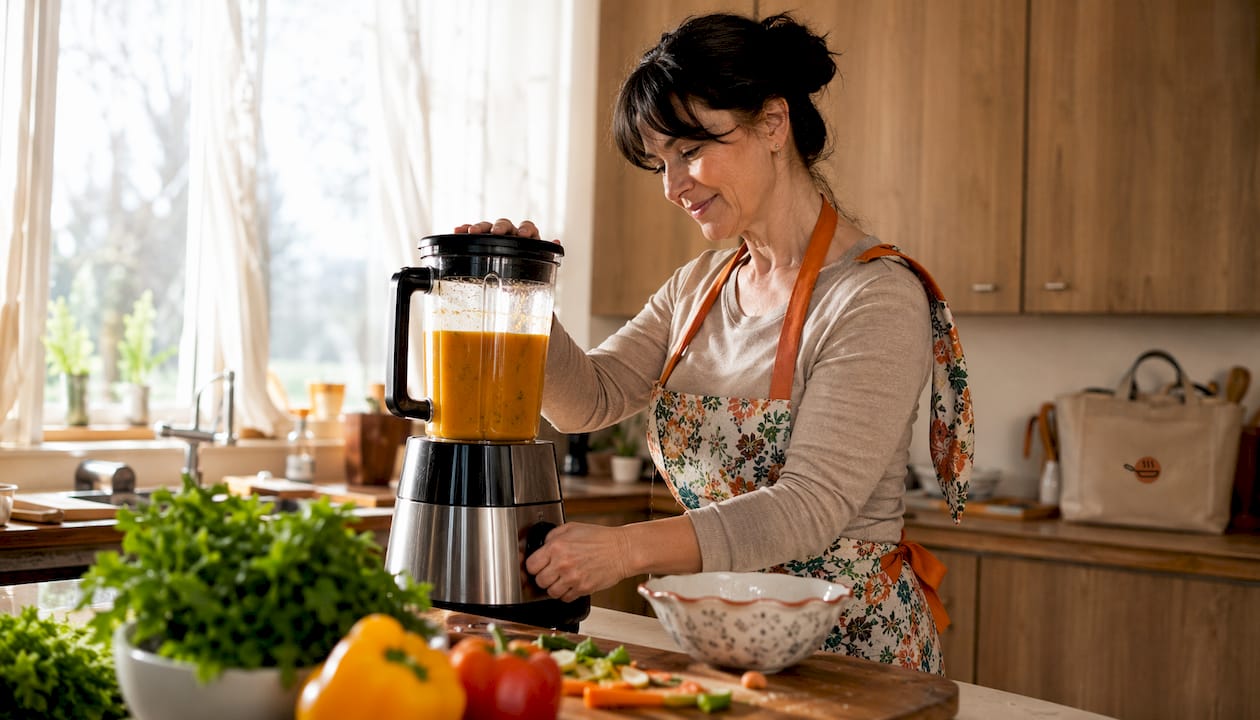
A good blended soup takes about 30 minutes from raw vegetables to bowl. The blender does the heavy lifting once everything is cooked.
- Roasted red pepper and tomato soup — roast 4 tomatoes and 2 red peppers at 400°F for 25 minutes, blend with vegetable broth, garlic, and smoked paprika. Deep, smoky, and naturally thick.
- Creamy butternut squash soup — roast cubed squash with olive oil and nutmeg, then blend with broth and a splash of coconut milk. Naturally vegan and high in beta-carotene.
- Classic potato leek soup — cook leeks and potatoes in broth until soft, then blend. One important note: avoid blending potatoes at high speed for too long. Starchy vegetables like potatoes release viscous starch when over-blended, turning the soup gluey. Pulse briefly and stop as soon as it’s smooth.
- Carrot ginger soup — 6 carrots, 1 tablespoon fresh ginger (chopped into ½-inch pieces), onion, vegetable broth, and a squeeze of orange juice. Bright, warming, and packed with vitamin A.
- Black bean soup — blend half the beans for body, leave the rest whole for texture. Cumin, lime, and cilantro finish it.
When blending hot soups, never fill the jar more than halfway with hot liquid; following safety techniques for blending hot liquids is essential to prevent accidents. Steam pressure builds fast in a sealed container. Remove the center lid cap, cover the opening with a folded kitchen towel, and start on the lowest speed before gradually increasing.
Snacks and dips your blender handles better than a food processor
For dips and spreads, a blender produces a smoother result than most food processors, especially when you’re working with chickpeas or soaked nuts.
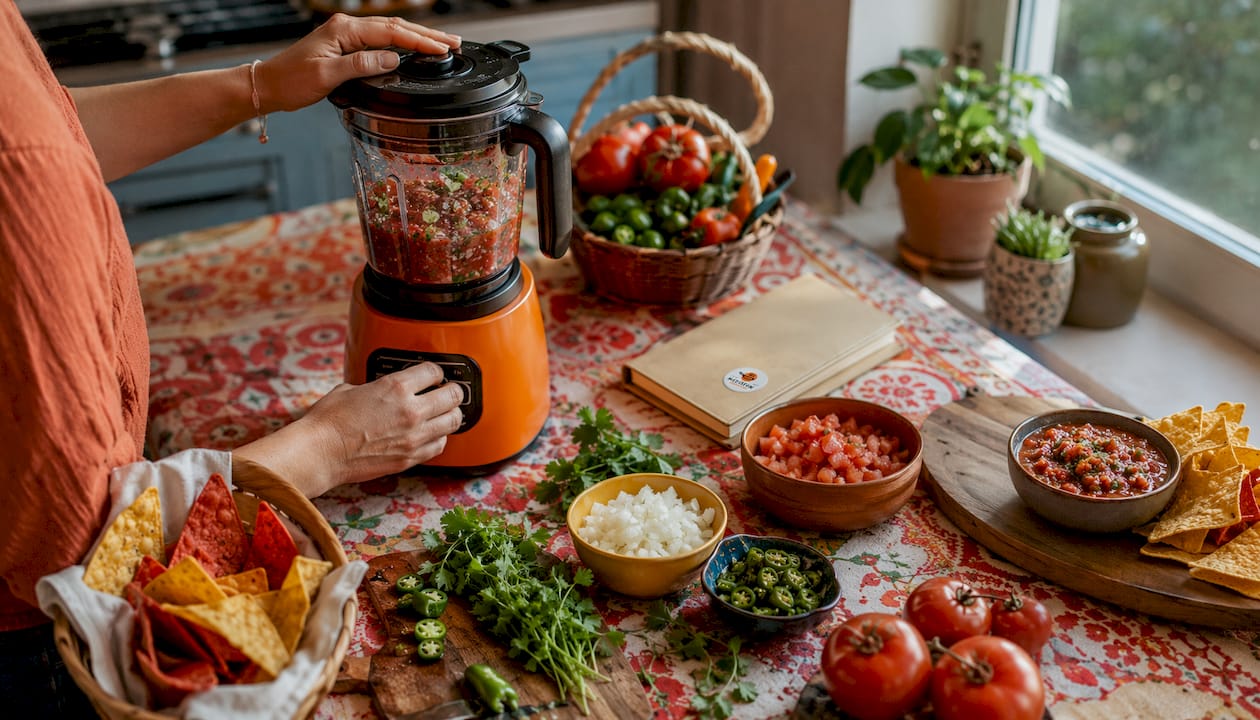
- Classic hummus — 1 can chickpeas (drained, liquid reserved), 3 tablespoons tahini, 2 tablespoons lemon juice, 1 garlic clove, 2 tablespoons olive oil, salt. Add reserved chickpea liquid one tablespoon at a time until silky. Pulse first to break it down, then run on medium.
- Guacamole — 2 ripe avocados, juice of 1 lime, ½ jalapeño, ¼ red onion, cilantro, salt. Use pulse mode only; three or four short bursts give you chunky guacamole rather than green paste.
- White bean and roasted garlic dip — 1 can white beans, 4 roasted garlic cloves, lemon juice, olive oil, fresh thyme. Roasting the garlic first mellows the bite and adds sweetness.
- Cashew cream — soak raw cashews in water for 4 hours, drain, then blend with fresh water, lemon juice, and a pinch of salt. Spread it on toast, use it as a pasta sauce base, or thin it further for a salad dressing.
- Almond butter — 2 cups roasted almonds, a pinch of salt, optional honey. Blend in 1-minute bursts, scraping down the sides between each. Takes about 8–10 minutes total; the almonds go from crumbs to paste to butter as the oils release.
For dips, the pulse setting is your best tool. Short bursts give you control over texture in a way that continuous blending never does.
Creative blender recipes that go beyond the basics
This is where the machine earns its counter space. Batters, sauces, nut butters, and frozen desserts all come together faster in a blender than by hand.
- Banana oat pancake batter — 2 ripe bananas, 1 cup rolled oats, 2 eggs, ½ teaspoon baking powder, pinch of cinnamon. Blend until smooth; the batter is ready in 60 seconds. Naturally gluten-free if you use certified GF oats.
- Frozen mango sorbet — 2 cups frozen mango chunks, juice of 1 lime, 2 tablespoons coconut milk. Blend on high until smooth and creamy. No ice cream maker needed; serve immediately or freeze for 30 minutes for a firmer texture.
- Homemade pesto — 2 cups fresh basil, ½ cup pine nuts, 2 garlic cloves, ½ cup Parmesan, ½ cup olive oil, salt. Pulse rather than run continuously to keep the texture coarse and vibrant green.
- Chocolate avocado mousse — 2 ripe avocados, 3 tablespoons cocoa powder, 3 tablespoons maple syrup, ½ teaspoon vanilla, pinch of salt. Blend until completely smooth. Refrigerate for 1 hour. Nobody will guess the base is avocado.
- Crepe batter — 1 cup flour, 2 eggs, 1 cup milk, 2 tablespoons melted butter, pinch of salt. Blend for 30 seconds, rest for 30 minutes. The blender incorporates air evenly, which is exactly what crepe batter needs.
One swap worth knowing: replacing heavy cream in dessert recipes with full-fat coconut milk works in almost every blended dessert and keeps the dish dairy-free without sacrificing richness.
Blender safety and best usage tips for home cooks in 2026
A blender is designed for shearing and emulsifying, not grinding hard solids or working through dense doughs. Pushing it past those limits causes thermal fuse failure and motor damage. Knowing the boundaries protects both the machine and you.
Ingredients to avoid:
- Raw meat with bones, whole coffee beans, and sun-dried tomatoes can dull or seize blades
- Dough and thick batters strain the motor; a stand mixer handles those far better
- Fibrous kale stems and broccoli stalks wrap around blades; chop them into pieces no larger than ½ inch or steam first
- Whole dried fruit jams the blade assembly; soak in warm water for 15 minutes before blending
Hot liquid rules:
Blender jars withstand some steam pressure; beyond a certain point, steam forces the lid off. Let hot food cool for at least 5 minutes, fill the jar no more than halfway, vent the lid, and start on the lowest speed rather than pulsing. Sudden jumps to high speed can eject lids with force.
General best practices:
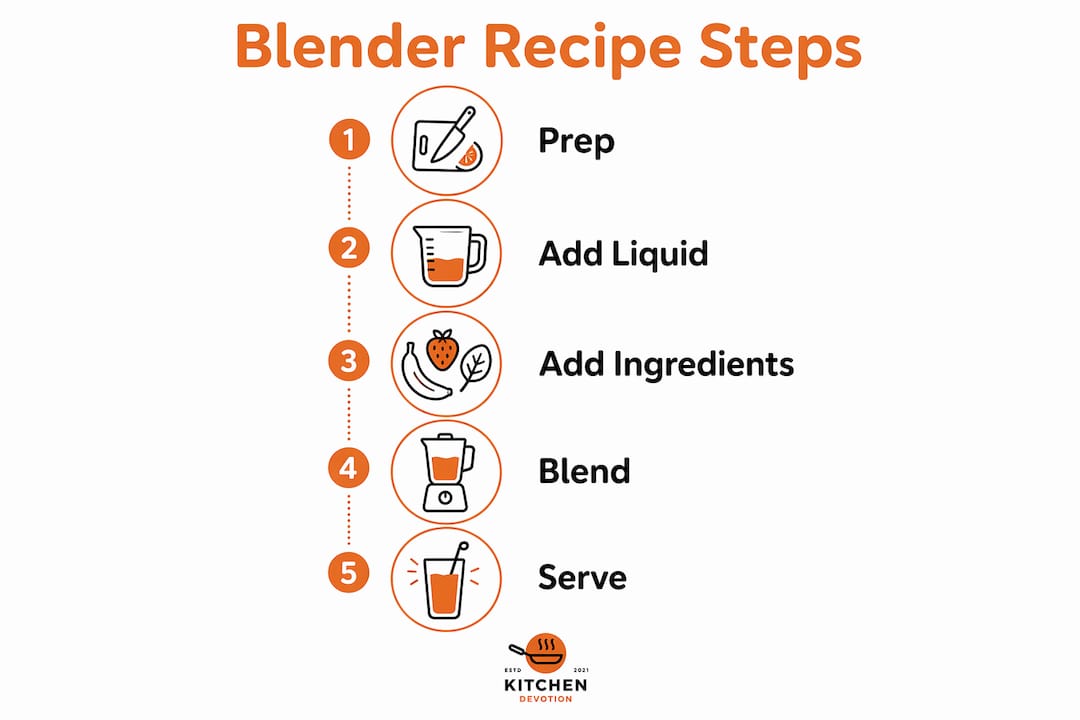
- Add liquids first, then soft ingredients, then frozen or hard items on top
- Cut hard vegetables like carrots or ginger into pieces no larger than ½ inch; the same goes for fibrous kale stems and broccoli stalks.
- Use pulse mode for chunky dips and textured sauces; reserve continuous blending for smooth soups and smoothies
- Stop immediately if the motor sounds labored or high-pitched; adjust contents before continuing
Pro Tip: High-speed blending above 185°F lowers antioxidants and volatile flavor compounds in your soup. Blending at a lower temperature isn’t just safer — it actually preserves more of the nutritional value you cooked in.
Avoiding common kitchen tool mistakes like overfilling the jar or starting on high speed extends your blender’s life significantly. If you’re shopping for a new machine, the Nutribullet Full-Size Blender Combo 1200W handles both smoothies and hot soups with the power and venting design these recipes demand.
How to meal prep and store blender-made dishes
Blender recipes are some of the most meal-prep-friendly dishes in a home cook’s rotation. Most take under five minutes to make and store well for three to five days.
Smoothies: Blend a full batch and pour into mason jars or silicone freezer bags. Refrigerated smoothies keep for up to 24 hours before separation becomes noticeable. For longer storage, freeze smoothie packs: portion raw fruit and greens into individual bags, then blend each one fresh with liquid when you need it. This approach preserves nutrients better than pre-blending and freezing.
Soups: Blended soups store beautifully. Cool completely before refrigerating; most vegetable-based soups keep for 4–5 days in an airtight container. Freeze in single-serving portions using wide-mouth mason jars or freezer-safe containers, leaving an inch of headspace for expansion. Reheat on the stovetop rather than the microwave for better texture.
Dips and spreads: Hummus and bean dips keep for up to a week refrigerated. Press plastic wrap directly against the surface before sealing to prevent oxidation. Guacamole is the exception; it oxidizes quickly. Store with the avocado pit in the container and a thin layer of lime juice on top, and use within two days.
Nut butters and sauces: Homemade nut butters keep for 2–3 weeks in the refrigerator. Pesto freezes exceptionally well; pour into ice cube trays, freeze solid, then transfer to a bag. Each cube is roughly one serving, ready to drop into pasta or spread on bread straight from the freezer.
For anyone building a more efficient prep routine, Kitchendevotion’s guide on how to build a meal prep station pairs well with these storage strategies.

If you’re putting your blender to work across all these recipe categories, it’s worth pairing it with the right kitchen setup. Kitchendevotion’s kitchen appliance priority list covers which tools actually earn their counter space, with blenders near the top for good reason.
Key Takeaways
A blender covers more recipe territory than most home cooks realize, from smoothies and soups to dips, batters, and frozen desserts, as long as you respect its limits and use the right technique.
| Point | Details |
|---|---|
| Liquid goes in first | Always add liquid before frozen fruit or hard ingredients to protect the motor from torque shock. |
| Hot liquids need venting | Never fill the jar more than halfway with hot liquid; vent the lid and start on the lowest speed. |
| Pulse for texture control | Use pulse mode for dips and chunky sauces; continuous blending for smooth soups and smoothies. |
| Avoid hard solids | Coffee beans, bones, dough, and fibrous stems damage blades or burn out the motor. |
| Storage extends prep value | Most blended soups keep 4–5 days refrigerated; smoothie packs freeze well for up to a month. |
FAQ
What is the best thing to make in a blender?
Smoothies, blended soups, and hummus are the most practical everyday uses. They take under five minutes, use the blender’s shearing and emulsifying strengths, and produce results that are genuinely difficult to replicate by hand.
What should you never put in a blender?
Avoid raw bones, whole coffee beans, dough, sun-dried tomatoes, and large frozen chunks without liquid. These either damage the blades, strain the motor, or in the case of hot liquids without venting, create dangerous steam pressure.
What foods blend best?
Soft fruits, cooked vegetables, soaked nuts, canned legumes, and liquids blend cleanly and produce smooth results. Fibrous or very hard ingredients need to be chopped small, soaked, or lightly cooked before blending.
Can I blend frozen fruit directly from the freezer?
You can, but add liquid first and let very large chunks thaw for 5–10 minutes. Dropping rock-hard frozen fruit into a dry blender jar causes torque shock that can damage the motor over time.




No comment