
Mini fridges are incredibly convenient, but they have one common problem. They tend to smell bad a lot faster than full-size refrigerators.
I’ve used mini fridges in dorm rooms, home offices, garages, and guest rooms over the years, and the pattern is always the same. When they’re ignored, odors creep in quickly. When they’re maintained properly, they stay perfectly fresh. The difference usually comes down to a few simple habits that most people don’t think about.
The good news is that preventing odors in a mini fridge doesn’t require special cleaners or expensive accessories. Once you understand why smells form, it becomes easy to stop them before they start.
Why Mini Fridges Develop Odors So Quickly
Mini fridges are more sensitive than standard refrigerators. They have less airflow, less internal space, and less room for temperature fluctuations. When something smells even slightly off, that odor has nowhere to go.
Moisture also plays a big role. Because mini fridges cycle more frequently, condensation can build up inside, especially if the temperature is set too cold or the door is opened often. Moisture traps food odors and helps them linger.
Storage habits don’t help either. Mini fridges often hold leftovers, half-empty bottles, takeout containers, and open snacks. Even foods that seem harmless can release odors when they’re packed tightly into a small space.
Start With a Proper Deep Clean
If your mini fridge already smells, prevention starts with cleaning everything out. Covering up odors never works long term.
Unplug the fridge and remove all food and shelves. Toss anything expired or questionable, even if it doesn’t look obviously bad. Smells often come from containers, lids, or packaging rather than the food itself.
Wash the interior with warm water and mild dish soap, paying attention to corners, shelf grooves, and door seals. If odors are stubborn, follow up with a baking soda and water solution or diluted white vinegar. Either works well, just don’t mix them.
Let the fridge air dry completely before turning it back on. Any leftover moisture can bring odors right back.
Store Food With Odors in Mind
How you store food matters more in a mini fridge than almost anywhere else in the kitchen.
Open or loosely covered containers are the fastest way to create smells. Leftovers should always go into airtight containers, not just wrapped with plastic wrap or foil. Pushing out excess air makes a noticeable difference.
Avoid placing cardboard takeout boxes in the fridge. They absorb moisture and odors and then release them back into the air. Transfer food to sealed containers instead.
Strong-smelling foods like onions, garlic-heavy dishes, fish, and certain cheeses should be double-sealed if they’re stored at all. In a small fridge, even one poorly sealed item can affect everything else.
Control Moisture Before It Becomes a Problem
Moisture is one of the most overlooked causes of fridge odors.
Check your temperature setting and avoid turning it colder than necessary. A mid-range setting is usually enough to keep food safe without causing excessive condensation.
Clean up spills immediately, even small ones. Sugary drinks and sauces can seep into seams and start smelling long before you notice them.
If your mini fridge has a drip tray or condensation channel near the back, empty and clean it occasionally. That hidden moisture can become a quiet source of odor over time.
Use Odor Absorbers the Right Way
Natural odor absorbers help maintain freshness once your fridge is clean.
Baking soda is the most common option, and it works well in small spaces. An open box or small bowl on a shelf is usually enough for a mini fridge. Replace it every one to two months.
Activated charcoal is another good choice and tends to last longer. It absorbs odors without adding any scent of its own.
Avoid scented fridge deodorizers. They don’t remove odors. They just add fragrance, which often makes the problem worse instead of better.
Be Intentional About What You Store
Not everything belongs in a mini fridge.
Beverages and sealed snacks are generally safe and low-risk. Open foods, leftovers, and condiments require more attention and better containers.
If your mini fridge is mainly for drinks, it will naturally stay fresher. If it’s storing food, organization becomes more important. Don’t overload shelves, and leave some space for air to circulate.
Old condiments in the door are another common issue. Liquids can go bad slowly and smell terrible without obvious visual signs, so check them regularly.
Clean Regularly, Not Just When It Smells
You don’t need to deep clean your mini fridge every week, but ignoring it for months usually leads to problems.
A quick wipe-down every few weeks helps prevent spills and moisture from turning into odors. Every couple of months, a more thorough clean keeps things from building up.
Dusting the exterior vents also helps. Better airflow allows the fridge to cool more evenly, which reduces condensation inside.
Placement and Ventilation Matter More Than You Think
Where your mini fridge sits affects how well it runs.
If it’s pushed tightly against a wall or enclosed in a cabinet, heat can build up. That forces the compressor to work harder and leads to temperature swings that increase moisture inside.
Leave a few inches of space around the sides and back if possible. Also be mindful of placing mini fridges in humid environments like garages or basements unless you’re committed to cleaning them more often.
Common Mistakes That Cause Lingering Smells
One of the biggest mistakes is assuming odors will fade on their own. They usually don’t. Smells can settle into plastic surfaces and door gaskets if ignored.
Overcrowding is another issue. When food is packed tightly, airflow suffers and cold spots form, which leads to moisture buildup.
Finally, expired items that “don’t look bad” often cause the worst smells. Trust your nose and clean proactively.
A Mini Fridge That Makes Odor Prevention Easier
A compact single door mini fridge with a built in freezer and adjustable thermostat. Great for bedrooms, dorms, offices, or any small space that needs reliable cooling without taking up much room.
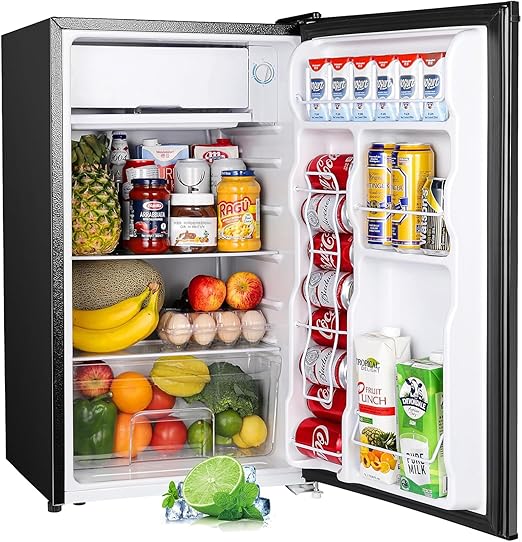
If you’re starting fresh or replacing an older unit, choosing a well-designed mini fridge can make odor prevention much easier from day one. The Upstreman 3.2 Cu Ft Mini Fridge offers enough space to organize food properly without feeling cramped, which helps improve airflow and reduce moisture buildup. The adjustable shelving makes it easier to separate leftovers, drinks, and snacks, and consistent cooling means fewer temperature swings that can lead to odors. It’s a solid option for anyone who wants a compact fridge that stays fresher with less effort.
If smells keep coming back even after cleaning, these guides can help you narrow down the cause:
No comment